

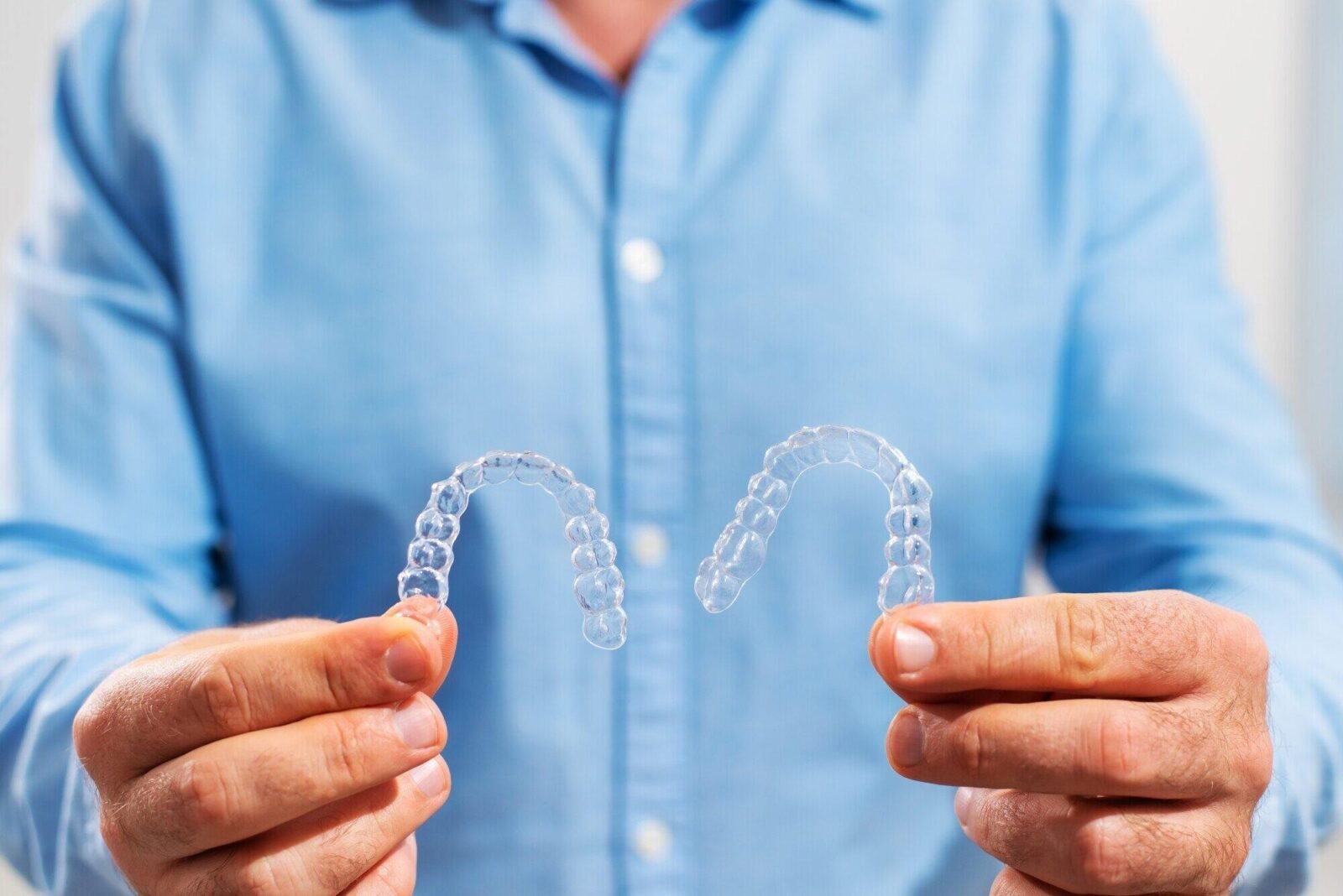
For many people, the thought of having braces can bring on feelings of discomfort and unease. However, with the rise of clear aligners like Invisalign, straightening teeth has become a more appealing option.
If you’re curious about these clear aligners, you’re not alone! Many individuals are seeking Invisalign insights to better understand their choices. Whether you’re considering getting them yourself or are just intrigued about how they work, you’re in the right place.
Read on to learn more about patient experiences, pricing factors, and alternative clear aligner options.
Patient Experiences with Invisalign
Understanding what it feels like to use Invisalign can help you make an informed choice. Many patients report a high level of satisfaction with their treatment. This high level of satisfaction can be attributed to several key factors:
- Invisibility
- Comfort
- Removability
While many users report positive experiences, some highlight challenges such as maintaining proper aligner hygiene and staying committed to wearing them for the recommended 20–22 hours each day. Overall, most agree that the benefits outweigh any inconvenience.
Cost Factors for Invisalign
The next big question for many people is: how much does Invisalign actually cost? Typically, the price of Invisalign treatment can range from $3,000 to $8,000, depending on various factors.
Your location can have a significant impact on the overall cost, with treatment typically being more expensive in major cities and urban areas than in smaller towns or rural locations. If your orthodontic needs are more complex, it may take longer and require more aligners, leading to higher costs.
The experience, qualifications, and reputation of your orthodontist can also influence the overall cost of treatment. A highly-rated professional may charge more for their expertise. In addition to the treatment cost, it’s important to factor in any extra expenses that may arise, including retainers after treatment, follow-up visits, and the replacement or repair of damaged aligners.
It’s a good idea to check if your dental insurance covers part of the treatment. Many health plans do offer some level of coverage for orthodontic work, which can help reduce your out-of-pocket expenses.
Exploring Alternatives to Invisalign
While Invisalign is one of the most recognized clear aligner brands, it’s not the only option out there. Other alternatives include:
- CLEARTM Aligners
- Byte Aligners
When comparing these alternatives, it’s essential to consider factors such as treatment time, supervision, and overall effectiveness. Some people think these options are cheaper. However, they may lack professional oversight during treatment.
Choosing the right orthodontic treatment is a personal decision that should involve careful consideration. Patients are encouraged to consult with their orthodontists and seek a professional article that weighs the pros and cons of different options. It’s important to discuss your specific needs, expectations, and budget to ensure you make the best choice for your smile.
Making an Informed Decision
In conclusion, understanding what to expect with Invisalign treatment, its associated costs, and your alternatives can significantly aid in your decision-making process. Invisalign insights are helpful for anyone thinking about braces. With this knowledge, you can start your journey to a healthier, straighter smile with confidence.
