

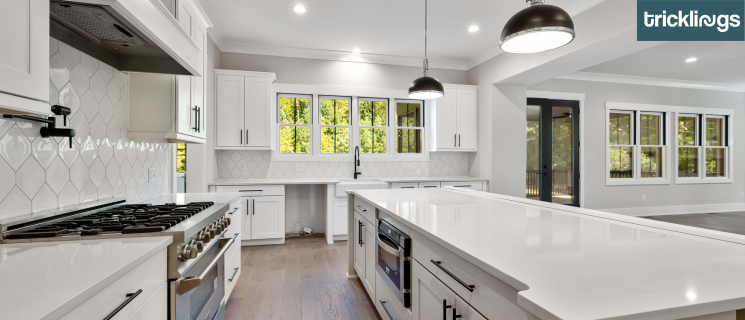
Embarking on a kitchen remodel is one of the most exciting and impactful home improvement projects a homeowner can undertake. As the visual centerpiece and operational engine of the home, the kitchen demands fixtures that marry high-end design with everyday practicality. At the heart of this transformation lies your cabinetry, which often accounts for a substantial portion of your overall renovation budget and dictates the entire aesthetic of the room.
Because cabinets define both the visual tone and the functional flow of the space, choosing the right system requires careful consideration of structural integrity and design nuance. Selecting well-engineered components ensures your kitchen stands up to daily wear while maintaining its structural beauty for decades. Homeowners who work alongside professionals with trusted kitchen remodeling and cabinetry expertise frequently achieve a seamless balance between visual elegance and dependable everyday performance.
Knowing what differentiates superior cabinetry from mass-produced alternatives helps you allocate your budget wisely. By focusing on core construction, hardware quality, finishing methods, and tailored storage solutions, you can invest with confidence.
Focus on Box Construction and Core Materials
The longevity of any kitchen cabinet rests squarely on its box construction. The cabinet box must support heavy stone countertops, stacks of dishware, and years of constant use. High-grade plywood is widely regarded as the gold standard for cabinet box manufacturing because its layered structure provides superior strength and natural resistance to moisture. Standard industry specifications typically favor half-inch to three-quarter-inch plywood side panels to prevent warping or sagging over time.
Particleboard and medium-density fiberboard are also common options, particularly for budget-conscious projects or painted flat-panel doors. While high-density furniture board performs adequately in dry conditions, it tends to swell when exposed to water leaks or intense humidity. Inspecting how the panels are joined is equally important. Dovetail, doweled, or mortise-and-tenon joints secured with heavy-duty fasteners create a substantially more rigid structure than simple butt joints held together only by glue and staples.
Evaluate Drawer Boxes and Hardware Mechanisms
While door fronts draw immediate attention, drawers take the brunt of day-to-day physical use. High-performance drawer boxes should always feature solid wood or sturdy plywood sides with classic dovetail joinery. Dovetail corners lock together mechanically, ensuring that the drawer face will never pull apart from the sides despite years of vigorous pulling.
Hardware selection is another critical indicator of quality. Look for heavy-duty, undermount drawer glides that provide full extension and an integrated soft-close mechanism. Undermount glides hide beneath the drawer box, preserving clean sightlines while supporting fifty to one hundred pounds of weight without straining. For cabinet doors, concealed six-way adjustable hinges ensure that doors hang straight and close quietly without slamming.
Assess Door Styles and Finish Durability
Cabinet doors establish the architectural language of your kitchen, ranging from clean, timeless Shaker profiles to sleek modern slab designs. Beyond style, the application of the finish determines how gracefully your cabinetry ages.
Factory-applied, multi-step finishes provide vastly superior durability compared to paint applied on-site. Professional manufacturers use catalyzed conversion varnishes or baked-on enamels applied in temperature-controlled environments. This process cures the finish into a tough, impervious barrier that resists chipping, heat, moisture, and staining from cooking oils. For painted designs, many quality builders utilize high-density fiberboard center panels set within solid wood frames to prevent the hairline paint cracking caused by natural seasonal expansion and contraction.
Maximize Storage Functionality and Organization
A successful kitchen remodel does not merely look beautiful; it fundamentally improves how you move and work in the space. Modern cabinetry goes far beyond empty shelves by offering dedicated organizational inserts that eliminate clutter.
When planning your layout, consider trading standard lower base cabinets for deep pull-out drawers, which allow effortless access to heavy pots and pans without bending down. Built-in roll-out trays, tall vertical pull-outs for baking sheets, integrated spice racks, and double-bin pull-out waste receptacles turn dead space into streamlined workstations. Blind corner organizers, such as curved swing-out shelving units, make every square inch of awkward corner cabinets completely accessible.
Making a Sound Investment for the Future
Choosing cabinets for your kitchen remodel is an exercise in balancing structural resilience, aesthetic character, and cost. While premium materials and customized storage solutions require a higher upfront commitment, they pay dividends in durability, convenience, and elevated property value. By prioritizing robust box construction, dependable soft-close hardware, and resilient factory finishes, you ensure your newly renovated kitchen remains a source of comfort and pride for years to come.
