

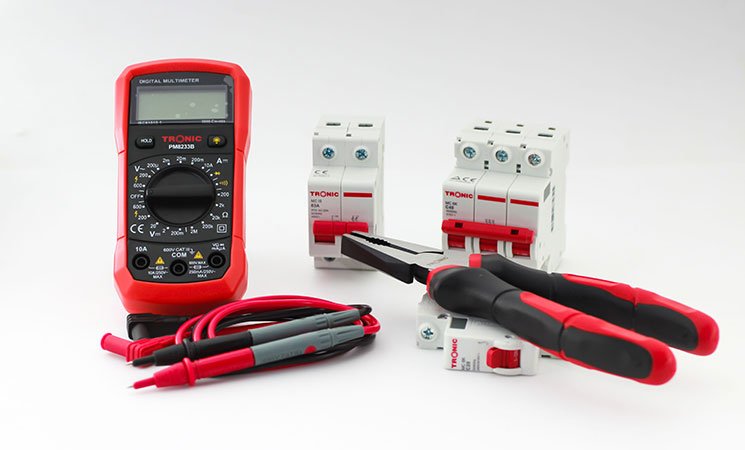
Australia’s consumer electronics and electrical appliance market is thriving, driven by technological innovation and growing demand for smart, energy-efficient products. For global manufacturers and local importers, launching a new electrical product in Australia represents a lucrative commercial opportunity. However, the Australian electrical safety landscape is highly regulated, demanding strict adherence to localized safety and electromagnetic standards before any product can legally be cleared for retail sale or commercial distribution.
Securing the necessary approvals requires a comprehensive understanding of local frameworks, testing protocols, and certification pathways. Because the penalties for non-compliance are severe—ranging from heavy financial penalties to mandatory product recalls—many organizations seek expert business solutions in Australia to help them navigate this complex regulatory terrain. Understanding these compliance requirements early in the product design and importing lifecycle is critical to ensuring a successful, uninterrupted market launch.
The Foundation of Australian Electrical Safety: The EESS
At the core of Australia’s regulatory structure is the Electrical Equipment Safety System (EESS). The EESS is a regulatory framework designed to increase consumer safety by establishing uniform electrical safety requirements across participating Australian states and territories.
Under this system, electrical equipment is categorized into three distinct risk levels, each with its own set of compliance obligations. Understanding EESS compliance requirements is the first step for any supplier looking to import or manufacture electrical goods.
Level 1 equipment represents low-risk devices, such as some low-voltage battery-operated items. While these products do not require formal registration, suppliers must still ensure they are electrically safe and maintain a compliance folder containing technical evidence.
Level 2 equipment comprises medium-risk items, which require a registered compliance folder and test reports showing conformity to relevant joint Australian and New Zealand.
Level 3 equipment covers high-risk items, which typically include household appliances, power supply units, chargers, and flexible cords. These products are subject to the strictest controls and must obtain a formal Certificate of Conformity from an accredited third-party certification body before they can be registered on the national database.
Navigating the SAA Approvals Process
For high-risk Level 3 electrical products, obtaining a Certificate of Conformity is mandatory. One of the most common and widely recognized pathways to secure this certificate is through the SAA approvals process. SAA Approvals is an independent, third-party certification body accredited by the Joint Accreditation System of Australia and New Zealand (JAS-ANZ).
To successfully navigate this process, suppliers must submit comprehensive test reports from laboratory facilities that hold appropriate accreditation, such as those recognized under the International Laboratory Accreditation Cooperation (ILAC) or the National Association of Testing Authorities (NATA). The documentation must prove that the product has been successfully tested against the specific AS/NZS standards applicable to that product category. Once the technical assessment is complete and compliance is verified, SAA Approvals issues a certificate, allowing the supplier to register the product on the national EESS database.
Demystifying the Regulatory Compliance Mark (RCM)
Once a product has met all safety requirements and, where applicable, electromagnetic compatibility (EMC) standards, it must be marked with the Regulatory Compliance Mark. Achieving RCM certification Australia is the visual proof that a product has met all relevant regulatory requirements.
The RCM is a single consolidated mark that replaces older compliance marks like the C-Tick and A-Tick. It indicates compliance with both electrical safety laws managed by state regulators and telecommunications and electromagnetic compatibility regulations managed by (ACMA). It is illegal to sell a regulated electrical product in Australia without the RCM clearly visible on the product label or packaging.
Common Pitfalls in Electrical Product Regulatory Compliance
Many businesses encounter preventable obstacles when introducing electrical products to the Australian market. One of the most frequent errors is relying solely on European CE marking. While CE testing standards are rigorous, Australia has unique geographic and grid conditions, leading to specific deviations in AS/NZS standards that are not covered by standard European test reports.
Another common pitfall is incomplete documentation. Having missing test reports, outdated certificates, or labels that do not precisely match the model numbers listed on the compliance database can cause major customs delays and supply chain blockages. Furthermore, failing to monitor standard updates can result in a product suddenly becoming non-compliant as regulatory frameworks evolve.
Achieving Commercial Success Through Proactive Compliance
Maintaining electrical product regulatory compliance is not just a legal obligation; it is a fundamental pillar of business risk management and brand reputation. By taking a proactive approach to product certification, suppliers protect their investments, safeguard consumers, and build lasting trust with retail partners. Collaborating with regulatory experts and establishing robust compliance processes early ensures that your products reach Australian consumers safely, efficiently, and without costly administrative delays.
