


Key Takeaways
- Understanding the hair growth cycle is essential for effective hair care.
- Nutrition plays a pivotal role in promoting hair thickness and health.
- Natural remedies and lifestyle changes can significantly enhance hair growth.
- Consistent scalp care and stress management are crucial for maintaining healthy hair.
Achieving thicker, healthier hair is a goal for many people who seek vibrant, resilient locks. This involves more than just choosing the right products. A thorough strategy addresses nutrition, daily habits, and scalp wellness. With evidence consistently showing that various factors contribute to hair vitality, it is essential to create a well-rounded care plan. For those eager to accelerate their hair goals, incorporating specialized products along with key habit changes makes a measurable difference. If you are looking for solutions to address thinning or lackluster hair, shop now to explore carefully formulated options.
Hair health is rooted in the science of growth cycles, supported by balanced eating, natural topical remedies, and mindful everyday routines. Managing stress and providing targeted scalp care can further reinforce your hair’s foundation. Understanding each component of this process helps create a personalized path toward thicker hair. Focusing consistently on these aspects can deliver impressive, long-lasting results.
No single method works for everyone, but a holistic approach combining nutrition, gentle care, and healthy routines can maximize growth and minimize breakage. Modern research also suggests that scalp condition significantly affects the effectiveness of any hair regimen. By prioritizing both scalp health and lifestyle, you can make noticeable improvements even if you have previously struggled with hair concerns. For deeper insights into scalp and follicle health, resources such as Healthline’s hair growth guide offer additional knowledge and tips.
Read on to discover key steps to strengthen hair from root to tip by addressing underlying causes and adopting sustainable changes. From nutritional choices to stress relief, each topic below can help empower your hair journey.
Remember, achieving your best hair requires patience, consistency, and a commitment to overall wellness.
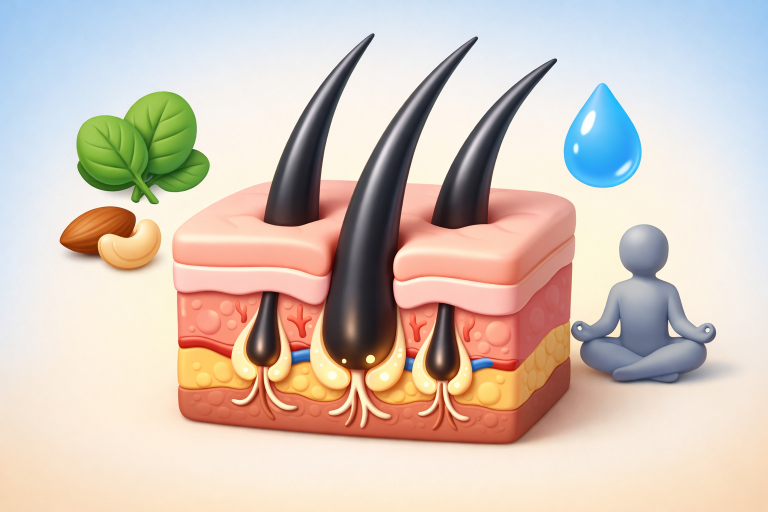
Understanding the Hair Growth Cycle
The hair growth cycle operates through three basic stages: anagen (active growth), catagen (transition), and telogen (resting). Disruptions to this cycle, such as those caused by sudden stress or nutritional deficiencies, can lead to excess hair shedding and thinning. Understanding these phases is important for anyone trying to address hair concerns, as each responds differently to both internal and external influences. For more details on the stages and scientific insights, the Johns Hopkins Medicine guide on hair loss provides a detailed explanation.
Nutrition and Hair Health
Nutrition plays an outsized role in supporting growth and density. Hair follicles are sensitive to both vitamins and minerals, and deficiencies can quickly lead to noticeable changes in hair texture and strength. Nutrients such as biotin, vitamin D, iron, and zinc are crucial for strong hair, while omega-3 fatty acids reduce inflammation that may compromise follicles. Including foods like nuts, fatty fish, leafy greens, and whole grains can help address common gaps and bolster overall wellness. Aiming for variety ensures your hair receives a range of these essential building blocks.
Natural Remedies for Hair Growth
Natural remedies remain popular for boosting circulation and stimulating dormant follicles. Essential oils, especially rosemary and peppermint, are among the most researched home remedies. Several studies indicate that regular scalp massages with these oils can increase blood flow, invigorate hair roots, and potentially speed up growth. While these methods are not a replacement for addressing major deficiencies, they support a healthier scalp environment.
Lifestyle Changes to Promote Hair Thickness
Lifestyle factors like heat styling, chemical exposure, and unnecessary tension from tight hairstyles can cause significant breakage over time. Reducing the use of hot tools, avoiding styles that pull on the scalp, and skipping harsh treatments all help retain length and thickness. Physical activity is beneficial as well, since exercise improves circulation and reduces inflammation throughout the body, including the scalp. Adequate sleep and hydration are two often overlooked but essential contributors to overall hair quality.
Importance of Scalp Care
Healthy hair begins with a well-maintained scalp, making consistent care an essential part of any hair routine. Gentle cleansing helps eliminate excess oil, product buildup, and environmental impurities that may interfere with follicle function. Incorporating occasional exfoliation and nourishing serums can improve hydration and maintain balance. Choosing formulas free of harsh ingredients and opting for beneficial ingredients such as niacinamide and hyaluronic acid can soothe the scalp and support resilience. A light massage during cleansing may also promote circulation and overall scalp wellness.
Managing Stress for Healthier Hair
Chronic stress is a known disruptor of normal hair growth cycles and can precipitate sudden hair loss (telogen effluvium). Incorporating stress-reduction strategies such as yoga, meditation, and mindful breathing supports both mental and hair health. Setting aside time daily for relaxation and restorative activities can help minimize the negative effects of stress hormones. Prioritizing self-care is not only beneficial for peace of mind but also for your hair’s appearance and resilience.
When to Seek Professional Treatments?
While natural remedies and lifestyle adjustments can support overall hair health, they may not adequately address significant or ongoing hair loss. In such cases, seeking professional evaluation from a dermatologist or trichologist is essential to uncover potential underlying causes. Depending on the diagnosis, specialists may recommend advanced therapies, such as low-level laser treatments, platelet-rich plasma procedures, or prescription medications, such as topical minoxidil. Personalized medical guidance helps ensure interventions are effective, evidence-based, and suited to individual needs.
Conclusion
Cultivating thicker, healthier hair involves a blend of science-backed strategies and daily habits. By understanding the growth cycle, prioritizing nutrition, adopting natural remedies, making key lifestyle adjustments and prioritizing scalp care, you can create optimal conditions for healthy hair. Managing stress and, when needed, seeking healthcare support completes this holistic approach. With diligence and patience, it is possible to see meaningful improvements and enjoy fuller, more resilient hair.
