

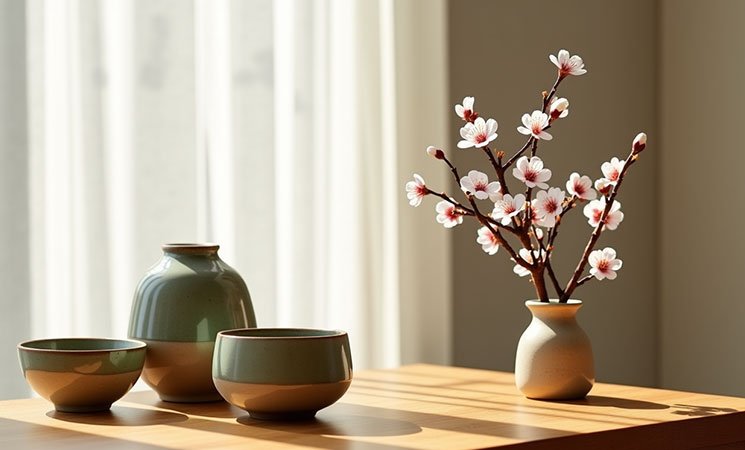
More homeowners are stepping away from rigid, flawless interiors and leaning into something far more grounding and authentic. This shift embraces a philosophy that finds beauty in imperfection and impermanence, a concept known as Wabi-Sabi. Integrating japanese ceramics home decor is an excellent way to introduce this serene aesthetic into any living space, transforming it into a sanctuary of calm.
The allure of Wabi-Sabi lies in its appreciation for the natural world and the passage of time. It encourages us to find charm in the weathered, the asymmetrical, and the handmade, moving away from sterile perfection. By carefully selecting and displaying Japanese ceramics, we can invite this profound sense of peace and character directly into our daily lives, making our homes feel truly “real” and lived-in.
These unique pieces, with their organic forms and subtle textures, offer a refreshing alternative to mass-produced items. Each ceramic object tells a story, bearing the subtle marks of its creation and use, which aligns perfectly with the Wabi-Sabi principle of celebrating the journey rather than just the destination. This approach allows for a home that feels curated with intention, yet remains effortlessly inviting.
Understanding Wabi-Sabi: The heart of Japanese aesthetics
Wabi-Sabi is not merely a design trend but a profound Japanese philosophy, deeply rooted in Zen Buddhism, that perceives beauty in the transient, imperfect, and incomplete nature of things. It champions authenticity over artificiality, celebrating the unique story that age and use impart to an object. Instead of striving for unattainable perfection, Wabi-Sabi invites us to embrace the subtle elegance found in cracks, weathered surfaces, and irregular shapes.
This aesthetic manifests in interiors through a deliberate choice of materials and forms that reflect the natural world. Think of soft, muted colors drawn from earth and stone, alongside raw textures that invite touch. The focus is on creating spaces that feel calm, unpretentious, and deeply connected to nature, fostering a sense of peace and quiet reflection. It’s a gentle antidote to the fast-paced, often overwhelming demands of modern life, offering a tranquil retreat within our own walls.
The timeless appeal of Japanese ceramics for your home
Japanese ceramics hold a special place in the Wabi-Sabi philosophy, embodying its core tenets with remarkable grace. From robust stoneware to delicate porcelain, each piece often showcases unique glazes, subtle variations in form, and the distinct marks of the artisan’s hand. These characteristics are not flaws to be hidden but celebrated features that add depth and personality.
Consider a simple, hand-thrown tea bowl. Its slight asymmetry, the nuanced texture of its glaze, or even a small, intentional imperfection in its rim speaks volumes about its journey from clay to finished art. These qualities make Japanese ceramics incredibly versatile, fitting seamlessly into a range of interior styles, from a minimalist urban apartment to a rustic countryside dwelling. They don’t demand attention but rather invite contemplation, enriching the everyday experience.
The beauty of these items extends beyond their visual appeal. Many traditional Japanese ceramic pieces are designed with functionality in mind, meant to be used and enjoyed daily. Whether it’s a sturdy serving platter or an elegant vase, they bring a tactile dimension to home decor. For those looking to elevate their dining experiences with items that blend functionality with profound aesthetic value, exploring collections of Japanese dinnerware can reveal a world of exquisite choices.
Their enduring charm lies in their ability to connect us with tradition and craftsmanship. Each time we interact with a piece, we are reminded of the care and skill involved in its creation, fostering a deeper appreciation for the objects that populate our living spaces. This connection is a fundamental aspect of the Wabi-Sabi ethos, encouraging us to slow down and savor the simple moments.
Incorporating Japanese ceramics: Practical tips and ideas
Bringing Japanese ceramics into your home is about more than just placing objects; it’s about curating a feeling. The goal is to create a harmonious environment that resonates with peace and natural beauty, allowing each piece to contribute to the overall serene atmosphere.
Selecting the right pieces
When choosing Japanese ceramics, look beyond mass-produced uniformity. Seek out items that display character and a sense of history, even if newly made. This often means opting for handcrafted pottery with unique glazes, visible brushstrokes, or subtle irregularities in shape. These aren’t defects; they are evidence of the human touch and the natural processes of firing and glazing.
- Embrace asymmetry: Unlike Western aesthetics that often favor perfect symmetry, Wabi-Sabi celebrates balance within asymmetry. A slightly irregular vase or a bowl with a unique, organic curve can be more captivating than a perfectly uniform piece.
- Prioritize natural textures: Consider pieces with a tactile quality—matte finishes, rougher stoneware, or glazes that mimic natural elements like stone or earth. These textures invite interaction and add sensory richness to your space.
- Focus on muted, earthy tones: Japanese ceramics often feature a palette inspired by nature: deep blues, forest greens, subtle browns, grays, and creams. These colors contribute to a calming environment and blend effortlessly with other natural materials.
- Consider both form and function: While some pieces might be purely decorative, many Japanese ceramics are designed for daily use. A beautiful serving bowl or a set of tea cups can elevate everyday rituals, integrating beauty into practical life.
Placement and display
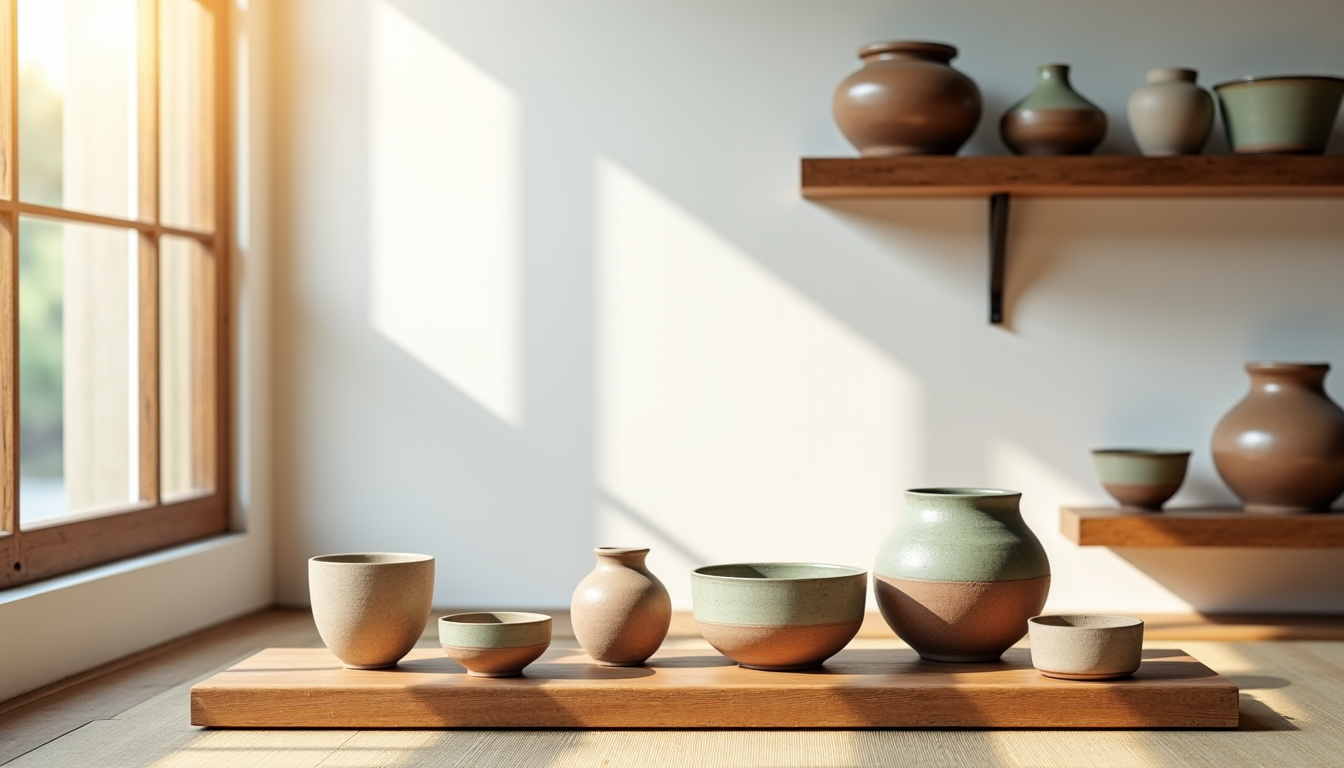
The way you display your ceramics is just as important as the pieces themselves. Wabi-Sabi encourages thoughtful placement that highlights the individual beauty of each object without creating clutter. Less is often more, allowing each piece to breathe and command attention.
In the kitchen or dining area, a collection of Japanese ceramic bowls, perhaps mismatched yet harmonious in their natural tones, can transform a simple meal into a mindful experience. Display them on open shelving, allowing their unique forms and textures to be admired. In a living room, a single, striking vase on a wooden side table, or a group of three varying-sized pieces arranged artfully, can become a focal point.
Consider placing ceramics where natural light can highlight their textures and glazes. A windowsill, a shelf near a window, or a well-lit corner can bring out the nuances of the material. Grouping items in odd numbers often creates a more organic and visually appealing arrangement than even numbers, aligning with the Wabi-Sabi preference for asymmetry.
Mixing ceramics with other natural elements like raw wood, linen textiles, or simple greenery further enhances the Wabi-Sabi aesthetic. A ceramic planter with a small, unpretentious plant, for instance, perfectly marries the handmade with the natural world.
Beyond ceramics: Weaving Wabi-Sabi into your wider interior
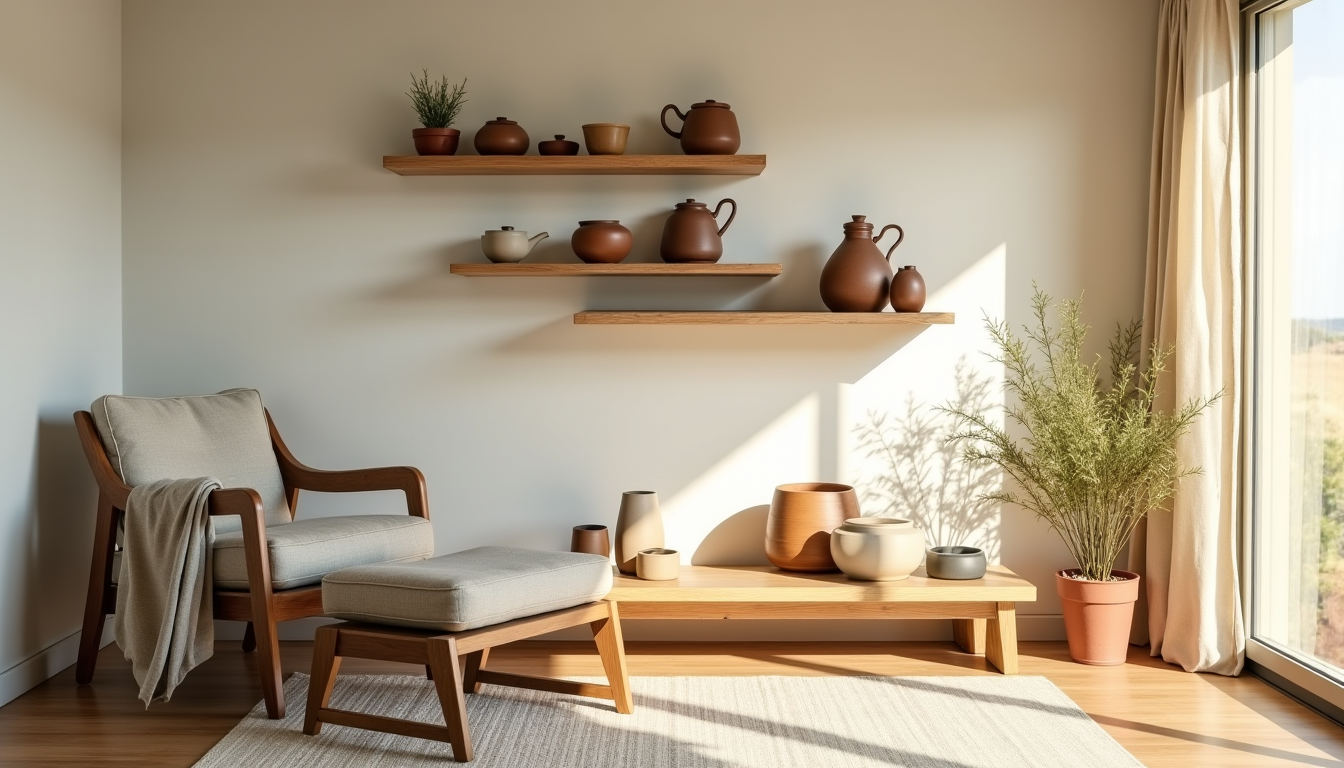
While Japanese ceramics are pivotal, truly embracing Wabi-Sabi means extending its principles throughout your entire home. It’s about creating an environment where every element contributes to a sense of calm and authenticity, fostering a deeper connection to your surroundings. This holistic approach helps to amplify the serene effect of your ceramic pieces.
Start with your material choices. Natural materials are paramount in a Wabi-Sabi interior. Think about incorporating elements like unfinished wood, stone, and linen. A simple wooden table, perhaps with visible grain or slight imperfections, can serve as a grounding presence. Linen curtains that drape softly, or cushions made from organic cotton, add a layer of natural texture and understated elegance. These materials age gracefully, acquiring character over time, which is a core tenet of Wabi-Sabi.
Color palettes should reflect nature. Muted, earthy tones such as soft grays, warm beiges, moss greens, and muted blues create a tranquil backdrop. These colors allow the textures and forms of your furniture and decor, including your ceramics, to truly stand out without competing for attention. Avoid bright, jarring hues in favor of a soothing, harmonious spectrum that promotes relaxation.
Lighting also plays a crucial role. Opt for soft, diffused natural light whenever possible. Sheer curtains can filter sunlight gently, creating a warm and inviting glow. For artificial lighting, choose fixtures that emit a warm, ambient light rather than harsh, direct illumination. Lamps with natural material shades, like paper or linen, can further enhance the organic feel.
Finally, embrace simplicity and decluttering. A Wabi-Sabi home is not about emptiness, but about intentionality. Each item in your space should have a purpose or hold meaning. Remove excess clutter to create a sense of openness and tranquility. This allows the beauty of individual objects, such as a carefully chosen ceramic piece, to be fully appreciated. As one observer beautifully notes:
“Creating a home that feels like a sanctuary isn’t about achieving showroom perfection; it’s about curating a space that breathes. For the creative soul who sees beauty in the maker’s hand and the passage of time, Japanese Wabi Sabi offers a refreshing alternative to sterile minimalism. It’s a philosophy that celebrates the imperfect, the impermanent, and the incomplete.”
This sentiment perfectly encapsulates the essence of integrating Wabi-Sabi beyond just ceramics, encouraging a mindful approach to every aspect of your interior design.
A guide to choosing authentic Japanese ceramic pieces
Selecting authentic Japanese ceramic pieces is an art in itself, requiring an eye for detail and an appreciation for traditional craftsmanship. While the term “authentic” can refer to pieces made in Japan, it also encompasses the spirit and techniques passed down through generations of artisans. Understanding a few key characteristics can help you make informed choices that truly embody the Wabi-Sabi aesthetic.
Japanese pottery traditions are incredibly rich and diverse, with distinct styles emerging from different regions. For example, some regions are known for their robust stoneware, often fired at high temperatures to create durable, earthy pieces with natural ash glazes. Others specialize in more refined porcelain, characterized by its delicate beauty and intricate designs, or specific glazes like celadon or tenmoku. While we won’t name specific brands or regional names to maintain the evergreen nature of this article, recognizing the general qualities associated with these traditions can be beneficial.
When examining a piece, pay attention to its weight and balance. A well-made ceramic often feels substantial yet comfortable in the hand. The base or foot of the piece can also reveal craftsmanship; look for a clean finish and a stable form. The overall form should feel organic and natural, even if it has a strong geometric element. Remember, slight irregularities are part of the charm, not a sign of poor quality.
Consider the glaze, which is often a defining feature of Japanese ceramics. Are there subtle variations in color or texture? Does it have a matte or a slightly glossy finish? Some glazes create unique patterns or iridescent qualities when exposed to light, adding another layer of visual interest. The way the glaze interacts with the clay body, sometimes pooling or dripping, contributes to the piece’s individuality.
Here’s a simple table to help differentiate characteristics you might encounter:
| Characteristic | Description in Wabi-Sabi Ceramics | Common Use |
|---|---|---|
| Texture | Rough, unglazed, or subtly textured glazes; invites tactile interaction. | Tea bowls, serving platters, decorative vases |
| Form | Organic, asymmetrical, often with slight imperfections or irregularities. | Vases, sculptural pieces, bowls of all kinds |
| Color Palette | Muted earth tones, natural blues, greens, grays, and creams. | Tableware, decorative accents |
| Glaze Finish | Matte, semi-matte, or subtly iridescent; often with visible brushstrokes or drips. | All types of ceramic pieces |
| Weight | Often feels substantial and well-balanced, reflecting durable craftsmanship. | Everyday dinnerware, large serving pieces |
Ultimately, choosing authentic Japanese ceramics is a personal journey. Select pieces that resonate with you, that evoke a sense of calm, and that you feel a connection to. These are the items that will truly bring the spirit of Wabi-Sabi into your home.
Cultivating calm: The enduring spirit of Wabi-Sabi with Japanese ceramics
Bringing Japanese ceramics into your home is an invitation to embrace a philosophy that transcends mere decoration. It’s a conscious decision to cultivate a living space that breathes with authenticity, where beauty is found not in perfection, but in the gentle narratives of imperfection and the quiet dignity of age. These pieces serve as daily reminders to slow down, to observe, and to appreciate the profound elegance in the ordinary.
The enduring spirit of Wabi-Sabi, deeply embedded in each handcrafted ceramic item, encourages a mindful approach to living. It helps us foster a sense of serenity that often feels elusive in our fast-paced lives. By surrounding ourselves with objects that tell a story, that bear the marks of human touch and natural processes, we create an environment that nourishes the soul and provides a genuine sanctuary.
Ultimately, incorporating Japanese ceramics into your home decor is more than just a stylistic choice; it’s a pathway to a deeper, more reflective way of experiencing your personal space. It transforms a house into a home that is truly lived in, cherished, and imbued with a timeless sense of calm and understated beauty.
