

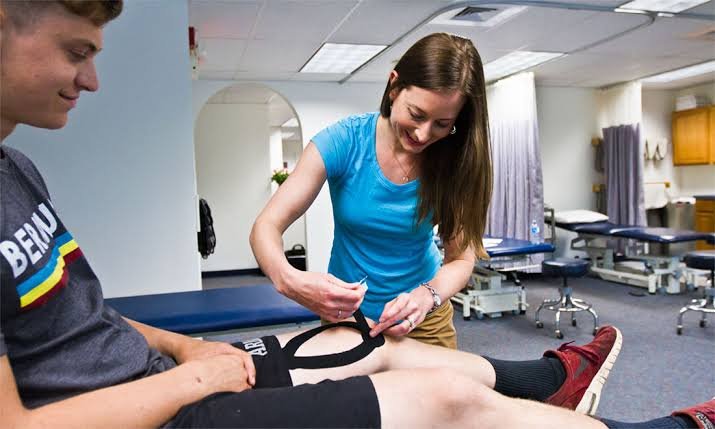
Returning to exercise after an injury involves more than reaching a day when ordinary movement feels comfortable. A runner may manage a short walk yet struggle with a longer session, while a recreational footballer may feel confident in the gym but uncertain about changing direction on the pitch. Rehabilitation needs to account for the activities a person hopes to resume, their current abilities and the advice of the professionals supporting them.
People comparing sports rehabilitation services in Madrid will often encounter physiotherapy and return-to-sport programmes together. These services can overlap rather than form two rigidly separate stages. The useful question is how assessment, treatment and progressive exercise fit into an individual plan, with clear communication between the clinician, the person recovering and any coach involved.
What Physiotherapy Can Include
Physiotherapy is not simply passive treatment on a couch. Depending on the assessment, it can include education, advice, exercise and hands-on techniques. A physiotherapist considers symptoms, movement and relevant history before discussing suitable options. The balance between these approaches varies; a particular technique is not automatically necessary for every injury.
The NHS describes movement and exercise alongside manual therapy and advice as possible elements of care. This helps explain why there is no universal dividing line between physiotherapy and active rehabilitation. Exercise may already be part of the clinical plan, with its demands adjusted as circumstances change.
Connecting Rehabilitation With Sporting Demands
Everyday tasks and sporting activities place different demands on the body. Walking to work is different from completing a race, and a controlled gym exercise is different from reacting to an opponent during a match. A return-to-sport programme considers those differences when setting goals.
For example, someone returning to running may need a plan that accounts for their usual distance and terrain. A court-sport participant may need to discuss repeated efforts and changes of direction. These are matters for an individual assessment rather than a checklist that everyone should follow independently.
Agreeing Goals Before Increasing Training
A clear description of the desired outcome makes planning more useful. “Get back to exercise” is broad. Returning to a weekly recreational game, rebuilding a regular gym routine or preparing for a demanding event gives the rehabilitation team a more specific context.
Useful conversations include previous training habits, current restrictions, available time and the practical realities of work or family life. Goals should be realistic and open to revision. A programme that looks ambitious on paper has limited value if the person cannot follow it consistently or does not understand its purpose.
Reviewing Progress Without Relying on a Calendar
A fixed number of weeks cannot describe every recovery. Injury history, the activity involved and individual circumstances can differ considerably. Decisions about progression should therefore follow professional assessment and review rather than an internet timetable or comparison with someone else’s experience.
It is also helpful to discuss how progress will be evaluated. Ask which changes the clinician wants to see, what information to record between appointments and when the plan should be reassessed. The aim is a shared understanding of the next step, rather than an unexplained sequence of exercises.
Choosing a Programme and Coordinating Support
Before committing to a provider, ask who conducts the initial assessment and who supervises later sessions. Clarify how the team communicates with an existing physiotherapist or treating clinician, particularly when advice has already been given following an injury or procedure.
Practical questions matter too. Find out what equipment is available, whether appointments fit your schedule and how home-based work is explained. Providers should be able to describe the purpose of the programme without promising a guaranteed outcome or a return date that has not been individually assessed.
Building a More Informed Return
Physiotherapy and sports rehabilitation are most useful when their roles are understood within the same plan. Assessment, appropriate treatment, exercise and regular review can support a considered return to activity. Individual clinical advice should guide decisions about symptoms, exercise selection and progression; a general article cannot determine when a particular person is ready.
Reference: NHS, Physiotherapy.
