

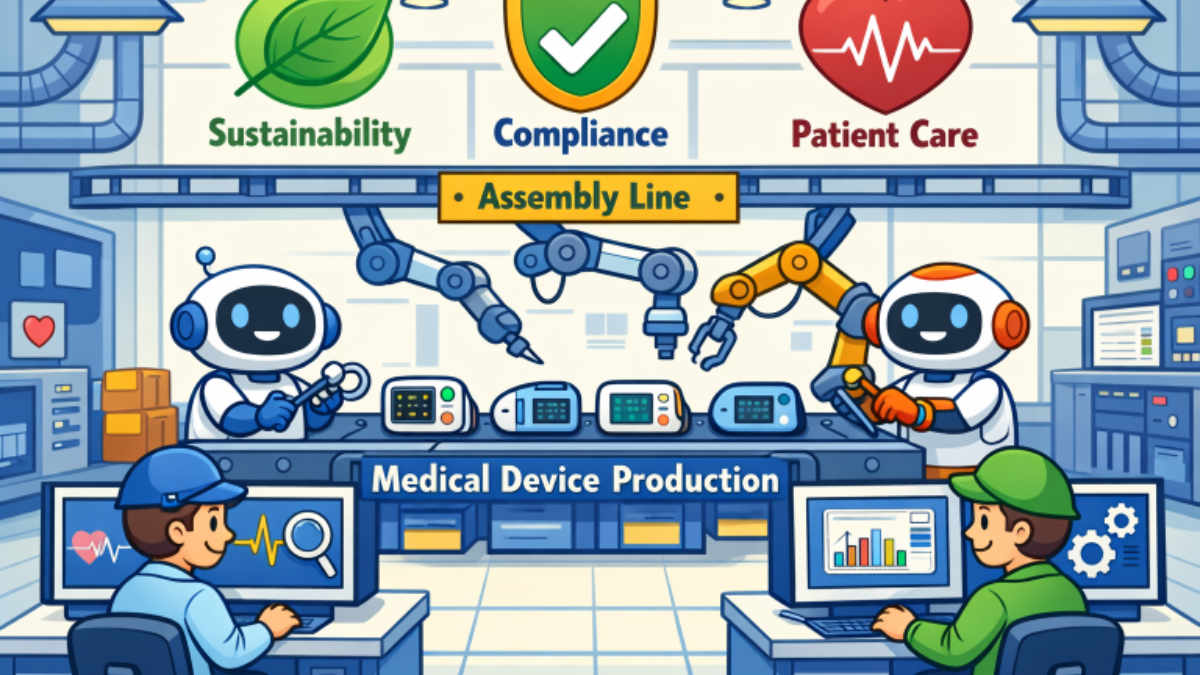
Key Takeaways
- Smart, connected devices are improving real-time patient monitoring and proactive care.
- Automation and robotics are streamlining production, reducing errors, and ensuring scalability.
- Sustainability initiatives in materials and processes are gaining traction industry-wide.
- Rapidly changing regulations require flexible, up-to-date compliance strategies.
- Personalized medical devices are enhancing patient outcomes and satisfaction.
Medical device manufacturing is experiencing rapid transformation as technology and healthcare needs evolve. Engineers, manufacturers, and healthcare professionals are closely tracking these new developments to boost efficiency, ensure compliance, and ultimately, improve patient results. To remain competitive in this dynamic environment, it is essential to understand these shifts and adapt to current best practices. For more insight into the latest capabilities shaping the industry, visit viantmedical.com.
The drive toward digitalization, sustainability, and patient-centered solutions is guiding the path forward for medical technology companies. New methods for device production are streamlining processes and enabling manufacturers to respond swiftly to market needs and regulatory changes. Organizations that actively embrace these innovations position themselves to deliver safer, more effective devices for a rapidly growing patient population.
This trend is also fueling greater collaboration and information sharing across the global supply chain. As regulatory requirements tighten and public awareness of environmental responsibility grows, companies that innovate responsibly are building trust with both healthcare providers and patients.
Both small startups and established firms are investing in new materials and data-driven processes, laying the foundation for a future where outcomes and safety can be continuously improved. Medical device manufacturing now exists at the intersection of engineering, health policy, and information technology. Understanding these innovative trends is crucial for anyone in the industry who aims not only to meet current standards but to set new ones.
Smart, Connected Devices
The integration of Internet of Medical Things (IoMT) solutions is one of the most notable advances in healthcare technology. Smart devices capable of transmitting and collecting real-time data are transforming the way doctors diagnose, treat, and monitor their patients. Wearable health monitors, for example, can track vital statistics and quickly alert medical teams to emerging health concerns. The real-time visibility provided by these devices is improving personalized care and allowing for more informed clinical decisions.
Automation and Robotics
As medical device demand grows, leading manufacturers are investing in automation and robotics to streamline production. Technologies such as collaborative robots and automated inspection systems can perform repetitive tasks with precision, minimizing human error. Automated solutions not only boost speed but also allow for easier scalability, enabling businesses to adapt to shifting market needs and unforeseen supply chain disruptions. This move toward highly automated production lines ensures that devices meet strict quality and safety standards every time.
Sustainability in Manufacturing
Environmental impact is now a key concern in the medical device manufacturing space. Companies are moving toward greener, more sustainable practices by reducing waste, optimizing energy use, and using recyclable materials wherever possible. For example, some organizations are phasing in bioresorbable packaging or investing in renewable energy sources for production facilities. Meeting global regulatory requirements is important, but so is appealing to a new generation of environmentally focused consumers. Adopting green practices not only supports public health but also enhances a brand’s image.
Regulatory Compliance
Medical device regulation is coming under the spotlight as issues around data privacy, cybersecurity, and product integrity grow. Staying ahead in this environment means closely tracking legal shifts and employing agile compliance strategies. Manufacturers are increasingly investing in cybersecurity protocols and secure cloud platforms that protect patient data while enabling seamless integration with healthcare systems. Device developers are expected to demonstrate their ability to rapidly adapt to changing rules and maintain rigorous documentation throughout design and production.
Personalized Medical Devices
Improved diagnostic tools and advances in data analytics are driving the rapid growth of patient-specific devices. Using technologies such as 3D printing, manufacturers can create one-of-a-kind implants and prosthetics tailored to each patient’s anatomy and condition. These custom solutions result in better fit, shorter recovery times, and higher satisfaction rates. As design and production technologies become more accessible, personalized medicine is expected to grow exponentially, ultimately leading to improved health outcomes and lower long-term healthcare costs.
Integration of Advanced Materials
Breakthroughs in materials science are also reshaping the landscape. The adoption of next-generation materials, such as bioresorbable polymers and biocompatible metals, reduces the risk of rejection and adverse reactions while extending product lifespans. These materials enhance device functionality and can simplify surgeries due to their biocompatibility. As manufacturers seek to balance innovation and safety, material selection has become a critical differentiator in the marketplace.
Digital Transformation
Digital transformation is empowering the industry to harness the power of artificial intelligence and machine learning. AI-powered inspection and process-monitoring systems provide manufacturers with an unprecedented level of quality control. Predictive maintenance platforms also minimize equipment downtime and facilitate proactive repairs, saving time and costs in production facilities. These digital tools not only optimize processes but also support regulatory submissions by providing easily analyzable and traceable data trails. For further insights, see the FDA’s Quality and Compliance.
Conclusion
Medical device manufacturing is evolving at a remarkable pace as smart technology, digital solutions, sustainable practices, and personalized approaches reshape the industry. Embracing these trends positions manufacturers for success in an increasingly complex and competitive market. By staying informed, proactive, and adaptable, organizations can meet the highest standards for compliance, safety, and patient-centric innovation.
