

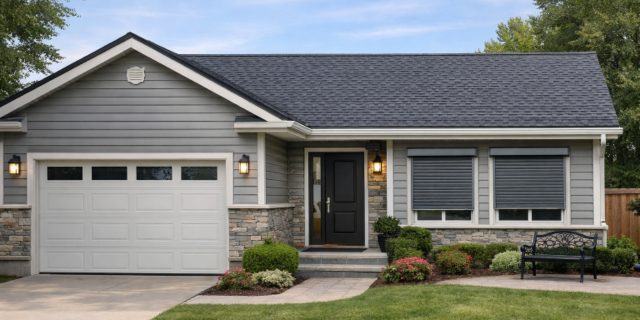
Protecting your home goes beyond routine upkeep. Strategic planning and practical measures can safeguard your property against unexpected events such as fires, floods, and storms. By making proactive choices, homeowners can create a safer environment for their families and livelihoods, while often qualifying for savings with affordable home insurance coverage options. Many people overlook the importance of planning for potential disasters until it is too late. However, taking comprehensive steps to reinforce your home, clarify your insurance, and prepare for emergencies will reduce risks and offer invaluable peace of mind.
Assess Your Insurance Coverage
Homeowners insurance policies might seem comprehensive, but many have significant exclusions for events such as floods, earthquakes, and certain types of water damage. Review your current policy to identify any coverage gaps. For major threats like flooding, you may need a separate policy through the National Flood Insurance Program or private insurers. Carefully considering specialized options now can prevent costly surprises after an incident. When reviewing your insurance, it can be beneficial to consult with a licensed insurance professional about any recent renovations or home improvements that might affect your coverage needs. Upgrading kitchens, bathrooms, or adding living space can sometimes leave you underinsured if your policy limits are outdated. Remember, replacement costs often differ from your property’s market value, especially if building materials or labor have recently increased in your area. Keeping an updated, accurate home inventory, ideally with supporting photos or videos, can also help streamline your claim process if disaster strikes. This way, you can confidently navigate conversations with insurers and advocate for the coverage your family truly needs.
Fortify Your Home’s Structure
Structurally strengthening your home is a direct way to reduce disaster-related damage. Start with your roof, as it is most vulnerable in storms. Replace aging shingles, add hurricane tie-downs if you live in a wind-prone area, and schedule regular inspections. Upgrade to fire-resistant roofing and siding materials if you are concerned about wildfires. Secure all doors and windows with reinforcements and consider adding storm shutters to protect glass during high winds. Each of these steps can improve safety and may qualify you for additional insurance savings.
Beyond these basics, consider foundation reinforcements for homes in earthquake-prone regions. Seismic retrofit kits, which include anchors and bracing, help stabilize older homes against tremors. If your property includes outbuildings, such as detached garages or sheds, assess their construction quality and anchor them as needed to prevent them from becoming airborne during severe weather. Additionally, taking the time to declutter attics, garages, and crawlspaces can make it easier to inspect and repair structural elements, keeping your home resilient year after year.
Implement Fire Safety Measures
Both wildfires and house fires are disruptive and potentially devastating. Establish a defensible space by clearing brush and vegetation at least five feet from your home’s perimeter. Install non-combustible vent screens to prevent embers from getting inside. Focus your landscaping choices on plants that retain moisture and avoid using flammable mulch directly beside your home’s walls. Proactive landscaping and building material choices can have a major impact during fire season. For more guidance on wildfire prevention, consult this resource on home wildfire protection.
Inside, install smoke detectors in each room and hallway, and test them monthly. Place fire extinguishers in easy-to-reach locations, such as the kitchen, garage, and utility areas—and ensure each family member knows how to use them. Develop a fire drill routine so your household reacts promptly and calmly in the event of a fire emergency. Taking these steps can dramatically reduce the risks of fire-related injuries or property loss.
Prepare for Water Damage
Water is one of the most common causes of home damage, whether from weather or a plumbing mishap. Inspect pipes for leaks and signs of wear, and repair issues promptly. Keep gutters and downspouts clean to prevent water from collecting and damaging your roof or foundation. If your home has a basement, installing a sump pump is a smart precautionary measure. Proper grading around your home can also help route water away, minimizing seepage risks. In regions prone to heavy rainfall or snowmelt, consider installing backflow prevention valves to keep stormwater and sewage from entering your home. Routine checks on water heaters and washing machine hoses can head off potentially catastrophic leaks. If you own a vacation property or plan extended absences, turning off the main water supply and draining pipes can eliminate the risk of water damage while you’re away. Investing in water leak sensors, smart devices that alert you via smartphone to moisture in vulnerable areas, can help catch small drips before they create a big problem.
Secure Valuable Items
Some losses are irreplaceable unless protected. Store important documents such as passports, birth certificates, wills, insurance policies, and financial records in a fireproof, waterproof safe. The same goes for cherished valuables such as family heirlooms or expensive jewelry. Photos, digital data backups, and legal documents should all be included. The peace of mind gained from knowing your essentials are safeguarded is well worth the effort. Review this list of essential items for a home safe to ensure nothing important is overlooked. Digital backups are equally critical. Store copies of important records in a secure cloud service or on an off-site external hard drive. For items with high sentimental value, consider creating digital photo albums or professionally documenting collections to facilitate insurance claims or recovery efforts. Regularly update your inventory lists and backup schedules to keep your records current and your valuables protected against any loss.
Develop an Emergency Plan
Even the most prepared homeowners need a thorough emergency plan. Designate and practice evacuation routes out of your neighborhood and establish a meeting point for your family. Make sure every family member knows key phone numbers and how to reach emergency contacts. Assemble a kit with water, non-perishable foods, required medications, flashlights, and batteries. Regularly update and review your plan as needs and family members change. These preparations help minimize confusion during an actual disaster. Consider the special considerations for pets, elderly family members, or anyone with disabilities in your household. Register with local emergency management offices if you require evacuation assistance. Keep a printed copy of your emergency plan handy; technology may not always be available during a disaster. Practicing your plan through regular drills fosters confidence and ensures everyone knows their responsibilities when every second counts.
Maintain Your Home Regularly
Routine maintenance is not just about aesthetics; it is about safety. Inspect and repair your roof and siding periodically to catch minor problems early. Schedule annual servicing for heating and cooling systems so you are not caught unprepared during extreme temperatures. Trim trees and shrubs close to the house to avoid storm-related damage. Consistent upkeep makes it easier to spot warning signs before they become emergencies. Keeping a maintenance journal can help you track repairs, seasonal maintenance, and professional inspections. Not only does this support warranty claims and resale value, but it also helps you budget for upcoming projects, reducing stress and costs. Each entry builds a comprehensive log that can identify patterns and recurring issues, allowing you to address the root cause rather than repeatedly treating symptoms.
Stay Informed
Modern technology puts real-time information within reach. Download apps and sign up for local emergency notifications to receive weather warnings and civil alerts promptly. The National Weather Service and local broadcasters are reliable resources for urgent updates. Staying informed allows you to implement your emergency plan at the right moment and avoid unnecessary risks.
Many communities also use social media or neighborhood alert systems to quickly spread information. Consider joining local digital groups or forums to stay informed about emerging threats and recommended precautions in your area. Taking a proactive approach to information gathering helps you respond swiftly and ensures no critical detail is missed during a fast-evolving event. By weaving these proactive strategies into your annual home care routine, you will protect your investment, keep loved ones safe, and position yourself to recover quickly from unforeseen disasters.
Conclusion
Protecting your home from unexpected disasters requires more than occasional maintenance; it demands a proactive, well-rounded strategy. By carefully reviewing insurance coverage, strengthening structural elements, and implementing fire and water safety measures, homeowners can significantly reduce the risks posed by natural and artificial hazards. Equally important steps, such as securing valuable items, developing a clear emergency plan, and staying informed, ensure you are prepared to respond effectively when emergencies arise. Consistent home maintenance ties all these efforts together, helping to identify vulnerabilities early and prevent small issues from escalating into costly damage. When combined, these protective measures create a safer, more resilient living environment for you and your family. Ultimately, being proactive today not only safeguards your property but also provides lasting peace of mind and financial security for the future.
