

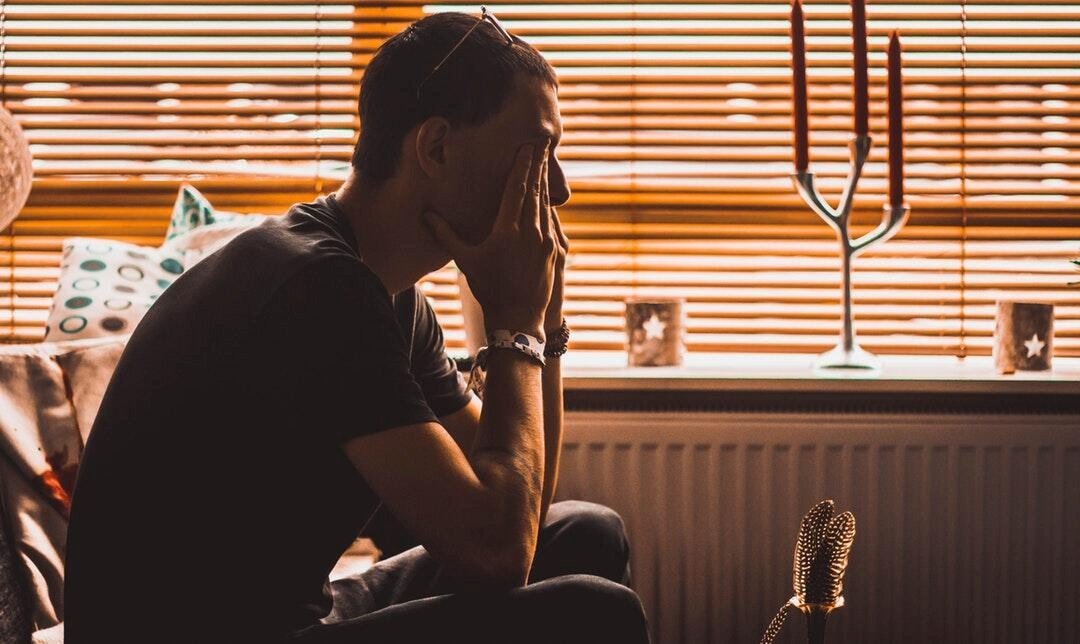
Recovery from addiction often starts with a quiet wish for change. It can rise after a hard moment or a long season of struggle. Many people feel tired of the same cycle and want a new path. They may feel unsure, scared, or hopeful all at once.
They create space to learn, heal, and rebuild day by day. These programs focus on care, structure, and steady support. If you want to understand how rehabilitation helps people improve recovery outcomes and build lasting change, read more and explore what makes these programs so powerful.
What Rehabilitation Programs Are Meant to Do
Rehabilitation programs are built to support the whole person. They look deeper at habits, stress, and daily choices. The goal is to help people understand why addiction took hold and how to respond in healthier ways.
Programs offer guidance, routine, and encouragement. Over time, new skills replace old patterns. Confidence grows as people see progress and feel more in control of their lives.
Creating Safety and Stability Early On
Safety is one of the first needs in recovery. Many people arrive feeling overwhelmed and unsure. Rehab programs provide a calm and steady environment. Daily needs like meals, rest, and support are met in a reliable way.
When people feel safe, their thoughts slow down. Early stability prepares people for deeper work and better outcomes later.
Power of Professional Guidance
Professional guidance plays a strong role in recovery success. Trained staff bring experience and care to each step. Counselors and therapists listen closely and respond with respect. Medical professionals help manage health needs with care.
This team approach means no one has to face challenges alone. With expert guidance, people learn to pause, reflect, and choose healthier responses.
Building Skills for Real Life
Addiction often affects how people cope with stress and pressure. Rehab programs focus on skill building for daily life. People learn how to manage emotions without harmful habits. They practice problem solving and clear communication.
These skills may seem simple, but they are life changing. When stress shows up after treatment, these tools help people stay grounded. Skill building supports long term success beyond the program walls.
The Role of Therapy in Deep Healing
Therapy is at the heart of many rehabilitation programs. It offers a safe space to talk openly. One on one therapy helps people explore personal stories and patterns. Group therapy brings shared understanding and connection.
Hearing others can reduce shame and build trust. Therapy helps people understand their thoughts and feelings. This deeper awareness supports healing and helps prevent relapse.
Addressing the Body and the Mind Together
Addiction affects both physical health and mental well being. Rehab programs treat these areas as connected. Medical care may support the body during early recovery. Emotional care helps ease anxiety and low mood.
When both body and mind are supported, recovery feels more balanced. People often feel stronger and more focused. This whole person approach improves comfort and supports better outcomes.
Structure That Builds Healthy Habits
Structure is a key part of rehabilitation. Many programs follow a steady daily routine. This routine blends therapy, learning, rest, and reflection. A clear rhythm helps calm the mind. It also helps people build healthy habits.
Over time, structure feels natural and supportive. It prepares people for life after treatment, where routine can help maintain stability and focus.
Choose Right Level of Care
Recovery needs differ from person to person. Some people need more support at the start, while others need flexibility. In some situations, inpatient rehab may be part of the journey, offering focused care in a supportive setting.
Other programs may offer part time support. The right level of care depends on personal needs and goals. When care fits the person, outcomes often improve and progress feels more steady.
Strength of Community & Shared Experience
Rehab programs often create a sense of community. People share stories, struggles, and hope. Support from peers builds trust and motivation.
When people see others making progress, it inspires belief in change. Community support helps people stay engaged and committed during hard moments.
Learning to Handle Triggers and Stress
Life does not stop being stressful after treatment. Rehab programs help people learn how to handle triggers. Triggers can be emotions, places, or memories. Through education and practice, people learn to notice early warning signs.
They develop plans to respond with care. It also builds confidence in handling real world challenges.
Family Involvement & Support Systems
Family and close support systems can affect recovery outcomes. Some rehab programs include family education or counseling. This helps loved ones understand addiction and recovery.
Clear communication can heal strained relationships. When families learn how to offer healthy support, recovery feels less lonely. Strong support systems often improve long term success.
Preparing for Life After the Program
Recovery continues after a rehabilitation program ends. Many programs help people plan for this next phase. Planning may include follow up care, support groups, or daily routines.
When people leave treatment with support in place, they feel more prepared and hopeful.
Why Rehabilitation Improves Recovery Outcomes
Rehabilitation programs improve outcomes by offering structure, care, and education together. They address root causes, not just surface behavior. People gain tools they can use every day.
Support reduces relapse risk and builds resilience. Recovery becomes more than avoiding substance use. It becomes about building a healthier and more meaningful life.
Where Hope Learns to Stay
Recovery is a journey filled with learning and growth. Rehabilitation programs help hope take root and stay strong. They offer guidance when the path feels unclear.
With time, care, and support, people can move forward with purpose. Healing is possible, and change can last. With the right help, recovery becomes not just a goal, but a way of life.
