

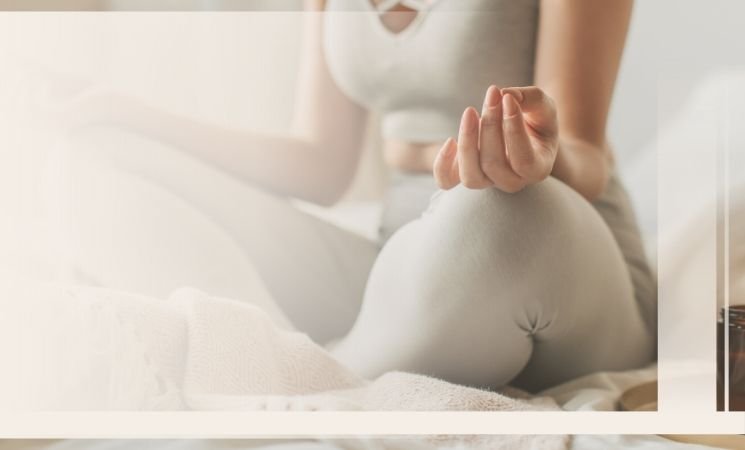
The modern wellness conversation looks different than it did even a few years ago. It used to revolve around rigid gym routines, restrictive diets, and the idea that discipline alone could fix everything. These days, people want something that fits into real life. They want better sleep, more energy, and less stress, but they also want those improvements to feel sustainable rather than punishing. That shift has sparked a wave of wellness trends that feel far more practical, and in many cases far more enjoyable.
What stands out about the current moment is that people are paying attention to what actually works for their bodies and their schedules. Instead of chasing perfection, they are building habits that support everyday health in ways that feel manageable. The trends emerging right now reflect that mindset, blending convenience, personalization, and a little common sense.
Fitness Is Becoming More Flexible And Accessible
For years the fitness industry leaned heavily on the idea that more intensity meant better results. People still want effective workouts, but they also want options that work around busy schedules and different energy levels.
Across the country, gyms in Fresno, D.C. or anywhere in between, people want benefits that go beyond rows of treadmills. Members look for spaces that support strength training, recovery, mobility, and community. It’s not just about burning calories. It is about feeling stronger, moving better, and walking out the door in a better mood than when you arrived.
Hybrid fitness models have become part of the new normal as well. Someone might hit the gym twice a week, stream a yoga class at home once or twice, and take a long walk. That blend keeps routines from getting stale while making fitness feel more integrated into daily life.
Recovery Is No Longer An Afterthought
A quiet revolution is happening in the way people think about rest and recovery. For decades, pushing harder and sleeping less was treated like a badge of honor. Now the conversation has shifted toward giving the body time to rebuild.
Recovery tools have become more visible everywhere, from foam rollers and massage guns to infrared saunas and cold plunges. Athletes have relied on these techniques for years, but everyday wellness enthusiasts are catching on. Logic is simple. If your body feels better, you are more likely to stay consistent with healthy habits.
Sleep also sits at the center of this shift. People are experimenting with earlier bedtimes, blackout curtains, and digital detox routines before sleep.
At Home Wellness Services Are Booming
Convenience plays a huge role in how people approach health today. Not everyone has the time or desire to drive across town for every wellness appointment. That reality has fueled the rapid growth of services that come directly to the client.
Among the fastest growing options are mobile massage companies, which bring licensed therapists into homes, offices, and even events. The appeal is obvious. Instead of battling traffic and rushing through a tight appointment window, people can relax in their own environment.
This model also opens wellness access to people who might not otherwise prioritize it. When massage, stretching, or other services fit easily into the day, they stop feeling like a luxury and start feeling like part of routine care.
Everyday Movement Is Taking Center Stage
One of the most refreshing wellness shifts is the realization that movement does not have to happen only inside a gym. People are rediscovering how much value exists in simple daily activity.
Walking has become a star player in this movement renaissance. Neighborhood strolls, lunchtime walks, and evening loops with a dog or friend are suddenly being celebrated again. It sounds basic, but the benefits add up quickly. Walking supports cardiovascular health, improves mood, and often sparks creative thinking along the way.
Mobility work has gained traction as well. Stretching routines, short yoga flows, and joint mobility exercises are helping people maintain comfort in bodies that spend long hours. Instead of chasing extreme workouts, many are focusing on movement that keeps them feeling capable and pain free.
Mental Wellness Is Finally Getting Equal Attention
Physical health used to dominate the wellness conversation, but mental health now shares the spotlight. Stress, burnout, and constant digital noise have pushed people to think more seriously about emotional balance.
Meditation apps, breathwork classes, and journaling routines are becoming part of everyday wellness habits. No practice promises instant transformation. What they offer instead is a steady way to reset the mind during a busy day.
People are also paying closer attention to boundaries with technology. Limiting social media use in the evening, stepping away from work email after certain hours, and carving out quiet time without screens are small adjustments that can make a surprising difference.
Wellness trends come and go, but the ones gaining traction now share a common thread. They focus on helping people feel better in realistic ways. Flexible fitness, smarter recovery, convenient services, everyday movement, and stronger mental habits all point toward a broader idea of health that fits into real life. When wellness stops feeling like a strict rulebook and starts feeling like support, people tend to stick with it.
