

Key Takeaways
- Disk write performance is crucial for application reliability and user satisfaction.
- Slow or inefficient disk writes can lead to application slowdowns, data corruption, and system crashes.
- Optimizing storage configurations and monitoring disk performance are essential for maintaining application health.
Introduction
Application performance and reliability are top priorities for organizations in today’s fast-moving digital environment. A significant, yet frequently overlooked, factor affecting these elements is disk write performance. Disk operations impact not only how fast applications run but also how reliably they manage and store critical data. For those interested in a deeper dive into durability and writing characteristics, the white paper Understanding DWPD provides foundational knowledge.
Efficient data storage processes are essential to ensuring smooth user experiences, safeguarding against data loss, and supporting uninterrupted daily operations. Disk write performance, the process dictating how quickly and accurately data is committed to storage hardware, sits at the heart of this equation. Slow disk writes can ripple through an entire application stack, negatively impacting everything from responsiveness to system uptime.
Beyond the surface, write performance affects data integrity, disaster recovery, and even regulatory compliance for businesses handling sensitive information. As modern applications increasingly demand faster response times, organizations cannot afford to ignore storage performance.
This article explores why disk write performance is critical to application reliability, discusses the sources of performance bottlenecks, and offers practical strategies to sustain optimal performance in production environments.
Understanding Disk Write Performance
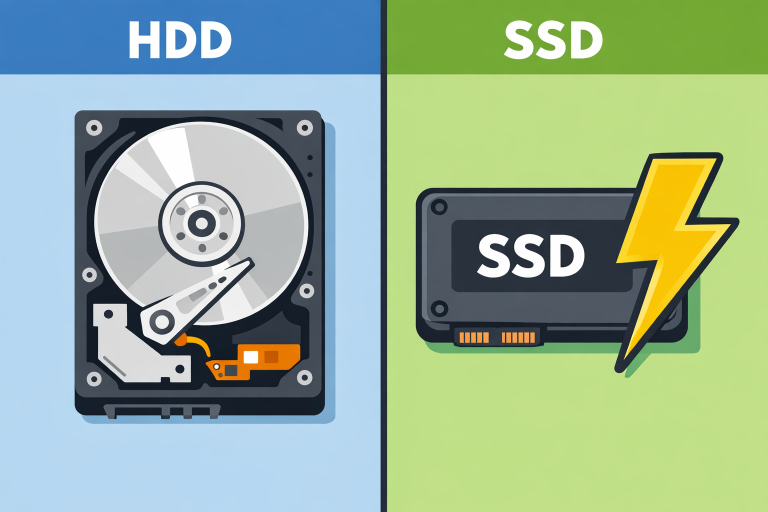
Disk write performance measures how efficiently a storage device records data. While traditional hard disk drives (HDDs) have spinning platters, solid-state drives (SSDs) use flash memory, resulting in very different performance characteristics. A key indicator is the number of input/output operations per second (IOPS) that a device can handle. Higher IOPS values typically correlate with the ability to keep applications snappy, even under heavy loads.
Besides the hardware type, storage architecture matters. Redundant Array of Independent Disks (RAID) configurations can improve resilience and performance, but an improper setup can also introduce delays. To achieve higher throughput and resilience, administrators must match the storage configuration to the intended workload. Modern enterprise solutions often leverage hybrid approaches that combine speed, capacity, and redundancy for improved overall performance. For a comprehensive overview of hardware and software differences, reputable technology resources such as TechRadar offer in-depth product comparisons.
Impact on Application Reliability
The stability of an application is directly tied to how quickly data can be stored. When disk writes are delayed, even simple actions like file uploads or database commits can slow down. Over time, persistent lag in disk write operations may cause end users to perceive the application as unreliable or frustrating, ultimately affecting the organization’s reputation.
- Slow Response Times: Delayed disk writes mean longer wait times for users and slower server-side processes. In industries that rely on real-time transactions, this can render services uncompetitive.
- Data Corruption: If the storage device cannot complete write operations promptly, files may end up partially written or corrupted, risking permanent data loss. This is particularly concerning for database-driven applications or systems managing critical transactions.
- System Crashes: Ongoing disk write bottlenecks can trigger application or operating system failures. In the worst cases, this results in abrupt downtime that can disrupt business and require lengthy recovery procedures.
Common Causes of Poor Disk Write Performance
Recognizing the root causes of disk write issues is essential for formulating an effective remediation plan. Common culprits include:
- Inefficient Storage Configurations: Storage hardware that is not properly matched to workload requirements can create persistent bottlenecks, no matter how powerful the software layer is.
- High IOPS Demand: Modern applications generate substantial input/output requests. Systems not built to handle these levels can quickly become overwhelmed. Industry experts have noted that insufficient IOPS capacity can quietly erode performance for key business processes. For a closer look at these trends, Forbes Tech Council offers great analysis.
- Fragmentation: Over time, hard drives, especially traditional HDDs, fragment data across physical platters. This means the device must seek different sections of the disk for a single operation, significantly slowing performance.
- Hardware Limitations: Aging, damaged, or failing storage components can significantly reduce write throughput and trigger cascading failures across the application ecosystem.
Strategies to Improve Disk Write Performance
Many organizations can resolve or prevent disk write problems by following industry best practices. Some of the most impactful strategies include:
- Optimize Storage Configurations: Tailor storage setups to expected workloads, whether using direct-attached storage, network-attached storage, or advanced SAN solutions.
- Upgrade Hardware: Invest in higher-performance SSDs or next-generation storage solutions that offer greater durability and far higher write speeds than legacy equipment.
- Implement Caching Mechanisms: Caching can intercept frequent write requests, storing data in fast memory first and asynchronously writing it to disk. This reduces apparent latency and evens out traffic peaks.
- Regular Defragmentation: For traditional hard disks, regular defragmentation consolidates fragmented data, making future writes much faster and more consistent.
Monitoring and Maintenance
Maintaining high disk write performance demands proactive monitoring and ongoing maintenance. Tools that report on IOPS, disk latency, and total throughput can alert administrators to performance degradation before it affects users. Scheduled hardware audits and firmware updates keep storage devices running smoothly and protect against emerging vulnerabilities or firmware bugs.
Routine data integrity checks, combined with regular performance reporting, allow teams to identify trends and schedule upgrades or maintenance without reactive outages. For further reading on maintenance best practices, major publications like ZDNet offer actionable advice to help extend drive life and maximize reliability.
Conclusion
Disk write performance serves as a critical pillar for robust, reliable applications. Organizations that invest in the right hardware, practice good storage hygiene, and leverage continuous monitoring will consistently outperform competitors who ignore this key element. With the rapid growth of digital workloads, optimizing disk write operations remains essential for delivering fast, reliable services to users and customers.
