

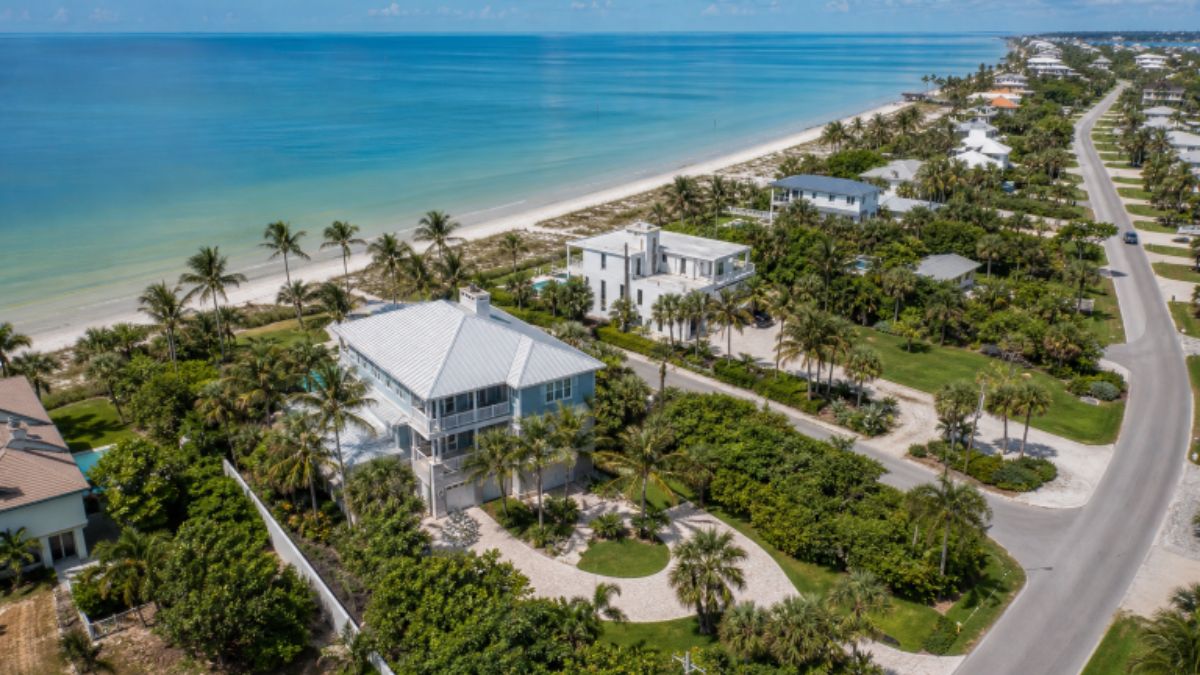
Buying a coastal home can mean beach walks, boating, quieter streets, and a stronger connection to the water. It also requires a more detailed review than many inland purchases. The right property is not simply the one with the best view. It is the one that fits daily life, budget, access needs, maintenance expectations, and long-term plans.
For buyers evaluating Boca Grande, Gasparilla Island, and nearby Southwest Florida communities, Boca Grande FL real estate agent Jamie Curry provides property search tools, community information, and local transaction guidance through her Boca Grande-focused real estate website. Jamie Curry began her career as a real estate paralegal at a local island law firm and spent years coordinating island closings, which gave her practical familiarity with contracts, neighborhood nuances, and property details that warrant closer attention.
Key Takeaways
- Coastal property combines exceptional lifestyle benefits with distinctive ownership responsibilities.
- Flood exposure, elevation, insurance, wind risk, and storm history should be reviewed before an offer is submitted.
- Waterfront buyers need to verify docks, seawalls, permits, water depth, and actual boat access.
- A realistic budget includes insurance, maintenance, storm preparation, and future capital repairs.
- Local rules can affect rentals, renovations, landscaping, boats, golf carts, and resale flexibility.
Start With the Coastal Lifestyle
Start by deciding how the home will serve your life. A barrier-island property may be a full-time residence, seasonal retreat, family gathering place, or rental property. Each goal changes the ideal location, size, maintenance tolerance, and budget. Consider grocery trips, medical care, airport access, school needs, pet routines, guest parking, and how often you expect to leave the island.
Also, think beyond peak vacation season. Some communities become quieter at certain times of year, while others have limited services or longer travel times during busy periods. Decide whether beach access, golf-cart convenience, a marina, walkability, or privacy matters most.
Compare Location Details Beyond the View
Two homes on the same island can have very different ownership experiences. Compare each address based on practical access and scenery. A Gulf-front home may offer direct beach proximity, while a protected harbor or canal location may better suit boating. A home near a village center can reduce daily driving, while a more remote property may offer greater seclusion.
- Distance to bridges, causeways, shops, health care, and mainland roads.
- Access to beaches, trails, parks, marinas, and boat ramps.
- Exposure to Gulf, bay, harbor, canal, or protected water.
- Cell service, internet options, utilities, and road reliability.
- Nearby construction, vacant parcels, and potential development activity.
Review Flood Risk and Elevation
A flood-zone designation is important, but it is only one part of the picture. Review the finished-floor elevation, foundation type, drainage, prior storm repairs, and the ability to reach higher ground if roads flood. Buyers should ask for an elevation certificate when available, as well as documentation of claims, remediation work, permits, and improvements completed after prior storms.
Use tools such as FEMA flood maps to begin researching a property, then confirm the practical implications with local professionals. Map data, building standards, and site conditions can change, so property-specific review remains essential.
Price Insurance Before Making an Offer
Insurance is part of the home’s real monthly cost, not an afterthought for closing week. Request flood, windstorm, homeowners, liability, and umbrella estimates during the inspection period. Ask about hurricane deductibles, roof-age requirements, prior claims, wind-mitigation credits, waiting periods, and coverage for pools, docks, seawalls, and personal property.
Standard homeowners’ policies commonly exclude flood damage. Confirm what is covered, what is excluded, and what deductible applies with a licensed Florida insurance professional before removing contingencies.
Inspect Coastal Construction
Salt air, humidity, wind, and intense sun can shorten the life of exterior materials and mechanical equipment. Hire an inspector experienced with coastal homes, and do not limit the review to cosmetic items.
Prioritize These Components
- Roof age, visible wear, attachment method, and repair history.
- Impact windows, shutters, garage-door ratings, and openings protection.
- Foundation, pilings, crawl spaces, enclosed lower levels, and drainage.
- Moisture intrusion, mold indicators, ventilation, and corrosion.
- HVAC equipment, outdoor fasteners, plumbing, and electrical systems.
- Permits for additions, pools, enclosures, renovations, and exterior work.
Check Docks, Seawalls, and Boat Access
“Waterfront” does not automatically mean deep-water access or an easy route to open water. Verify water depth at low tide, channel conditions, bridge clearance, dock dimensions, lift capacity, and the route your intended boat would take. Review dock, shoreline, and seawall permits, then assess the age and condition of pilings, caps, tie-backs, and related marine structures.
If boating is central to the purchase, a sea trial with a qualified local captain can reveal limits that a listing description cannot.
Read Local Rules and Property Documents
Property documents may shape your use of the home as much as the floor plan does. Review HOA declarations, budgets, reserve information, meeting minutes, rental restrictions, lease minimums, pending assessments, historic-district requirements, and exterior-change rules. Also, inspect title matters such as easements, setbacks, access rights, utility agreements, and deed restrictions.
Build a Local Due-Diligence Team
Coastal transactions often require a coordinated group of professionals. Depending on the property, that may include a lender, an insurance agent, a home inspector, a surveyor, a title professional, a contractor, a marine specialist, an attorney, and a tax adviser. Local experience matters because coastal construction, insurance, permitting, and shoreline issues can be highly address-specific.
Create a Safer Offer Strategy
The strongest offer is not always the highest one. It is an offer supported by a clear budget and sensible protections. Compare recent sales from the same island or neighborhood, obtain early guidance on lending and insurance, and use inspection, financing, survey, title, and insurance contingencies carefully.
For example, a smaller home with a newer roof, stronger elevation, updated opening protection, and manageable insurance costs may offer better long-term value than a larger home requiring substantial seawall, HVAC, roof, or storm-repair work.
Final Checklist for Coastal Buyers
- The home supports the intended full-time, seasonal, or rental lifestyle.
- Flood-zone, elevation, drainage, and storm-history details have been reviewed.
- Flood, wind, and homeowners insurance estimates are in hand.
- The roof, windows, foundation, HVAC, and exterior systems have been inspected.
- Dock, seawall, permits, water depth, and boat access are verified.
- HOA, rental, historic, permit, survey, and title documents have been reviewed.
- The ownership budget includes maintenance and storm-preparation costs.
- The offer includes protections that match the property’s risks.
Coastal ownership can be deeply rewarding when buyers look beyond the view and evaluate the property as a whole. A careful review of lifestyle, risk, cost, construction, access, and local rules can help you choose a barrier-island home that remains enjoyable well after closing day.
