

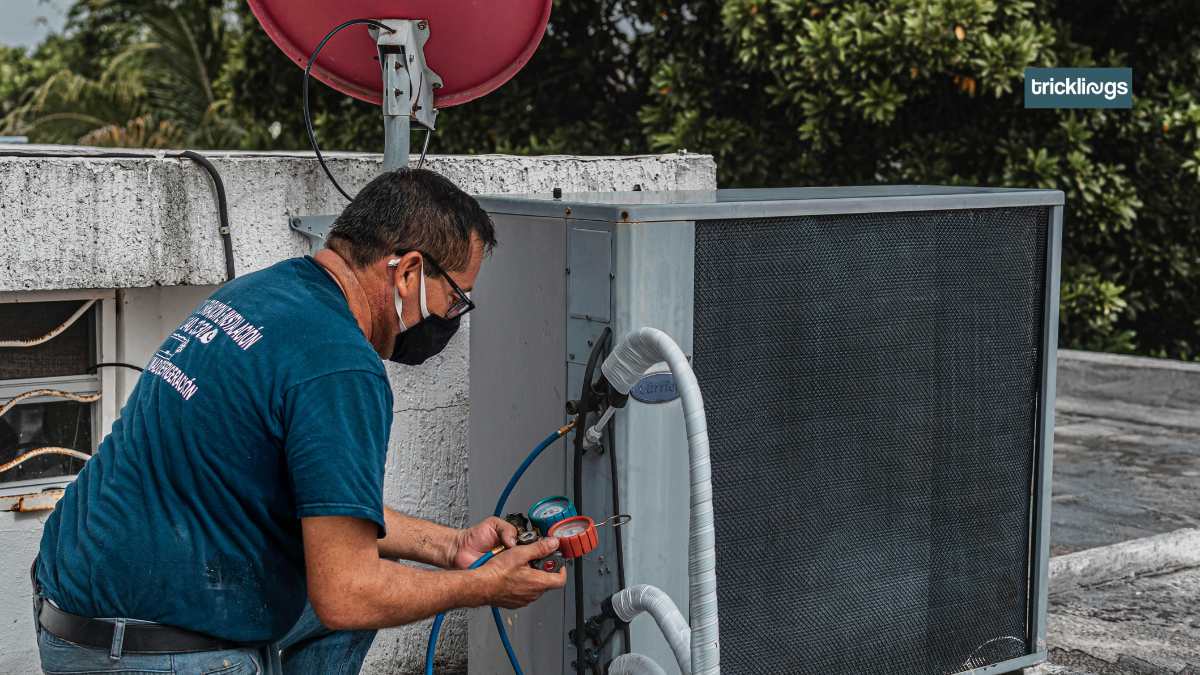
Heating and cooling problems rarely appear without warning. Restricted airflow, worn parts, incorrect thermostat settings, and dirty equipment can gradually reduce performance before a complete failure occurs.
A consistent plan for HVAC maintenance for reliable comfort helps your system run efficiently while allowing technicians to identify developing concerns early. Homeowners can safely handle several basic tasks, but professional inspections remain important for electrical checks, refrigerant testing, safety controls, and internal cleaning. By combining simple household care with seasonal service, you can reduce strain, maintain steadier temperatures, and protect your HVAC equipment throughout every season over the long term at home.
Why Regular HVAC Maintenance Matters
An HVAC system relies on filters, coils, controls, electrical connections, moving components, and airflow pathways working together. When one area becomes blocked, dirty, or worn, the system may work harder to reach the selected temperature. That extra effort can increase energy use, weaken comfort, and accelerate normal wear.
Preventive care cannot stop every future repair, but it can reveal small concerns before they cause a shutdown. It also supports more dependable heating and cooling when outdoor temperatures place the greatest demand on your equipment.
Seven HVAC Maintenance Tips for Better Performance
1. Replace or Clean the Air Filter
A dirty air filter restricts airflow and forces the blower to work harder. It may also contribute to uneven temperatures, longer operating cycles, excess dust, and reduced indoor comfort. Check the filter monthly during periods of regular use and replace or clean it according to the manufacturer’s instructions.
Always choose the correct filter size and type for your system. Household dust, pets, equipment use, and indoor air concerns can affect how frequently the filter needs attention.
2. Keep Supply and Return Vents Clear
Furniture, curtains, rugs, and stored items can block vents without being noticed. Covered supply vents prevent conditioned air from entering rooms, while blocked return vents interfere with air circulation back to the system.
Walk through the home and make sure every register has open space around it. Avoid closing several vents in unused rooms because central HVAC systems depend on balanced airflow. Closing too many vents may increase pressure and make the system work harder.
3. Check the Thermostat Settings
Incorrect thermostat settings can make a healthy HVAC system appear unreliable. Confirm that the thermostat is set to the correct heating or cooling mode and that programmed schedules match your daily routine. Replace the batteries when necessary and keep lamps, appliances, and other heat-producing items away from the thermostat.
If the displayed temperature does not match how the room feels, the thermostat may need calibration, repair, relocation, or replacement. A professional inspection can determine whether the control or the HVAC equipment is causing the problem.
4. Clear Debris Around the Outdoor Unit
Leaves, weeds, dirt, and grass clippings can collect around an outdoor air conditioner or heat pump. This buildup may restrict airflow across the coil and cause the equipment to operate longer than necessary.
Turn off the power before removing loose debris from the surrounding area. Keep clear space around the unit, but do not open equipment panels, bend coil fins, or use high-pressure water. Internal cleaning and electrical work should always be handled by a trained technician.
This simple task is an important part of HVAC maintenance for reliable comfort because outdoor airflow directly affects how efficiently an air conditioner or heat pump transfers heat.
5. Notice Changes in Noise, Odor, or Airflow
New rattling, buzzing, whistling, grinding, or banging sounds may indicate a loose part, airflow restriction, electrical concern, or worn component. Persistent musty or burning odors also deserve prompt attention.
Common warning signs include:
- Weak airflow from several vents
- Frequent starting and stopping
- Uneven indoor temperatures
- Unusual sounds or persistent odors
Turn the system off if its operation appears unsafe. Do not attempt repairs involving internal electrical parts, gas connections, or refrigerant lines.
6. Manage Humidity and Indoor Air Quality
Comfort depends on more than temperature. Excess humidity can make warm conditions feel hotter, while overly dry air may create discomfort during colder weather. Dust and airborne particles may also circulate when filters, ducts, or indoor air quality equipment are neglected.
Watch for condensation, musty odors, heavy dust buildup, or rooms that feel unusually damp or dry. Depending on the home, professional solutions may include improved filtration, duct inspection, air purification, humidification, or dehumidification.
7. Schedule Seasonal Professional Maintenance
Professional HVAC maintenance should be arranged before the system enters its busiest season. Cooling equipment is best checked before hot weather arrives, while heating systems should be inspected before colder conditions begin.
A professional tune-up may include system cleaning, airflow testing, thermostat calibration, electrical inspection, safety checks, and an evaluation of overall performance. Furnaces, boilers, heat pumps, central air conditioners, and ductless systems have different maintenance needs, so the service should match the equipment installed in your home.
FAQs
Can HVAC Maintenance Prevent Every Breakdown?
No maintenance plan can prevent every mechanical failure. However, regular inspections can identify worn parts, dirty components, loose electrical connections, and airflow problems before they cause more serious damage or a complete shutdown.
How Often Should an HVAC System Be Serviced?
Many heating and cooling systems benefit from professional service before each major season. The right schedule depends on the equipment type, age, usage, household conditions, and manufacturer recommendations.
Why Does My HVAC System Run Without Improving Comfort?
Poor comfort may result from a clogged filter, blocked vents, leaking ductwork, thermostat problems, weak airflow, or incorrectly sized equipment. A professional assessment can identify the actual cause instead of relying on guesswork.
When Should HVAC Equipment Be Replaced?
Replacement may be worth considering when equipment requires frequent repairs, struggles to maintain temperature, becomes increasingly inefficient, or has reached an advanced age. A qualified technician can compare repair costs with the long-term value of installing a newer system.
Conclusion
Reliable heating and cooling depend on consistent care rather than emergency attention alone. Replacing filters, keeping vents clear, checking thermostat operation, cleaning around outdoor equipment, and noticing performance changes can prevent avoidable strain. Humidity control and seasonal professional inspections provide added protection by addressing concerns that are not visible during routine household checks. Always leave electrical work, refrigerant handling, gas connections, and internal safety repairs to trained technicians.
Arrange service when the system becomes noisy, loses airflow, cycles repeatedly, or cannot maintain the selected temperature. A practical routine for HVAC maintenance for reliable comfort can reduce surprise interruptions, support cleaner airflow, and improve temperature consistency. By acting before minor concerns become major faults, homeowners can protect their equipment, improve everyday comfort, and make better decisions about repairs, upgrades, or future replacement. Consistent attention also helps the system perform more predictably during periods of intense seasonal demand.
