

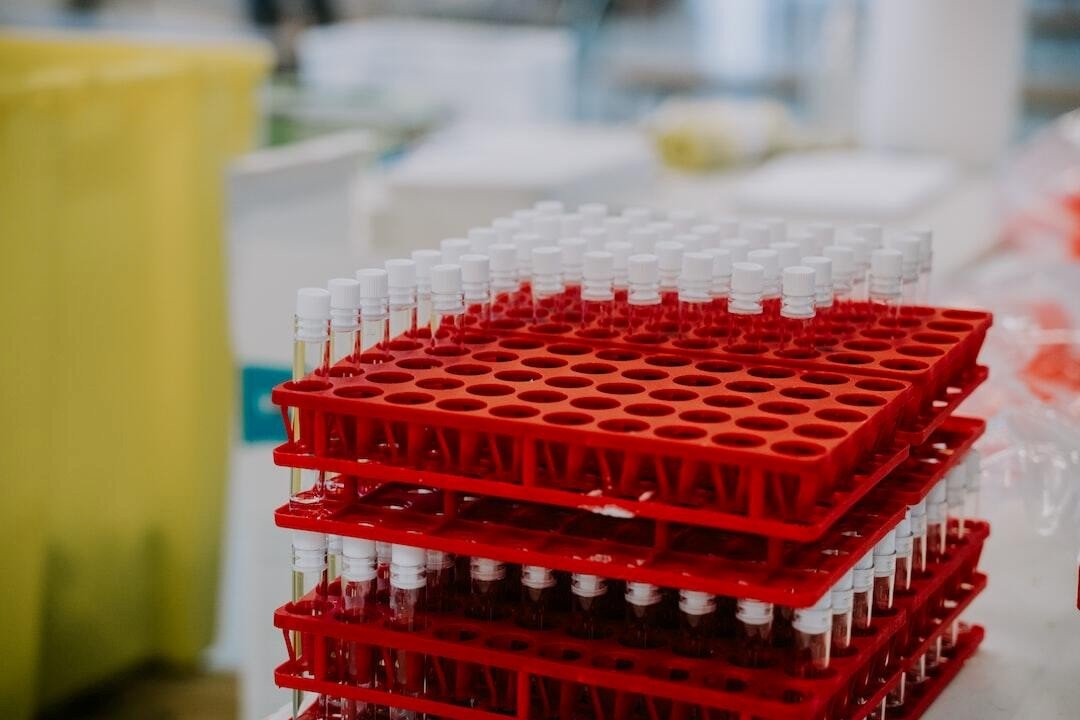
Preclinical drug development is the bridge between early scientific discoveries and real clinical testing.
This stage helps researchers understand how a drug works, how safe it is, and how it behaves in the body. Today, modern tools and scientific progress have changed how this process is carried out. New methods help scientists collect better data, make faster decisions, and reduce the risks that usually slow down drug development.
In this article, you will learn about the innovative tools, models, and approaches that are shaping the future of preclinical research.
Advanced Cell-Based Assays and 3D Models
Preclinical research once relied mostly on flat, two-dimensional cell cultures, but these models offered a limited view of how cells behave in the real world. As diseases became more complex, researchers needed models that could mimic actual human biology.
Moving Beyond 2D Cell Cultures
Two-dimensional cell cultures cannot fully mimic how real tissues behave inside the human body. Cells grown on flat surfaces respond differently to drugs because they lack natural interactions with surrounding cells. As a result, their reactions do not always match what would happen in actual organs.
Rise of 3D Cell Cultures
Three-dimensional cultures allow cells to grow in structures that look and behave more like real tissues. These models help researchers observe how cells communicate, how drugs penetrate tissues, and how resistance develops over time. Because they mimic natural environments more closely, they provide earlier and more accurate insights into drug performance.
Organoids as Miniature Organs
Organoids are small, lab-grown versions of human organs created from stem cells. They develop into structures that resemble actual tissues, giving researchers a realistic way to study disease and drug response. Their complexity allows scientists to test metabolism, toxicity, and personalized treatments with far greater accuracy than traditional systems.
High-Throughput Screening (HTS) and Automated Systems
High-throughput screening transformed drug discovery by allowing researchers to test thousands of compounds at once. Automation makes the entire process faster, more accurate, and far more efficient than manual testing.
What Is High-Throughput Screening?
High-throughput screening uses automated machines to expose biological samples to different chemical compounds. These systems capture data about each reaction quickly and consistently. HTS helps filter out weak candidates right away, allowing researchers to focus only on the most promising molecules.
Speed and Accuracy
Automation reduces the chance of human error and ensures consistent results across thousands of tests. Robots handle precise measurements and movements, making experiments cleaner and more trustworthy. This level of accuracy speeds up the discovery process and improves decision-making.
Data-Driven Decision Making
HTS generates large datasets that advanced software analyzes to find patterns and predict success. These systems help identify which compounds should move forward and which should be dropped. A data-powered approach allows researchers to make informed decisions much earlier in development.
In Vivo Imaging Technologies
Modern imaging tools allow researchers to observe biological processes in living organisms without surgery. These technologies make testing safer, more efficient, and more informative.
Seeing Inside Living Models Without Harm
In vivo imaging tools like MRI, PET scans, and optical imaging reveal what happens inside organs as a drug. These non-invasive methods allow researchers to track drug distribution, tumor response, and organ function. This helps identify problems early and improves understanding of drug behavior.
Better Monitoring and Smaller Sample Sizes
Because imaging lets researchers study the same subject over time, fewer subjects are needed for meaningful results. Continuous monitoring strengthens the reliability of the data while reducing overall testing requirements. This improves both efficiency and ethical standards.
Improved Predictability
Real-time visuals help scientists see early signs of toxicity or treatment success. These insights allow quick adjustments, such as changing doses or stopping unsafe experiments. As a result, in vivo imaging increases the chances that successful results will translate into human trials.
Computational Modeling and AI-Driven Predictions
Artificial intelligence and computer modeling allow scientists to test ideas virtually before moving into lab experiments. These tools reduce costs, shorten timelines, and lower the risk of failure.
How AI Helps Drug Development
AI systems can analyze huge datasets to predict how a drug might behave in the body. They spot patterns that humans may miss, helping detect toxicity risks and drug interactions earlier. This leads to better planning and fewer wasted resources.
Computer-Based Screening
Virtual screening replaces thousands of physical experiments with fast computer simulations. These simulations help researchers identify promising compounds without testing each one manually. As a result, development becomes faster and more focused.
Humanized Animal Models
Standard animal models cannot always mimic human biology well. Humanized models help solve this problem by adding human genes, tissues, or immune systems.
Why Humanized Models Matter
Humanized animals respond to drugs in ways that are much closer to human responses. This helps scientists uncover issues that traditional animal models might overlook. As a result, testing becomes more accurate and more relevant.
Better Study of Human Diseases
These models allow researchers to study genetic disorders, immune reactions, and cancer development with greater precision. Their human-like features provide deeper insights into disease pathways. This makes them powerful tools for evaluating new therapies.
Reduced Failure Rates
By catching problems earlier, humanized models lower the chances of failure during expensive clinical trials. They help researchers fine-tune drug candidates before reaching human testing.
Microphysiological Systems and Organ-on-a-Chip Technology
Organ-on-a-chip devices mimic the function of human organs using tiny channels lined with living cells. These systems recreate the body’s mechanical and chemical environment.
What Is Organ-on-a-Chip?
These small devices simulate specific organ functions using human cells. Microchannels allow fluids to flow through them, copying natural conditions such as blood movement. This creates a realistic testing environment for studying drug behavior.
Realistic Mechanical Movement
Some chips can mimic movements like breathing or muscle contractions. This adds an extra layer of realism that traditional cultures cannot achieve. It helps scientists see how cells respond under real physical stress.
Benefits for Drug Development
Organ-on-a-chip systems help test absorption, toxicity, and inflammatory reactions with great accuracy. They reduce the need for animal testing and allow rapid adjustments to experiments. Their human-like responses make them ideal for predicting clinical outcomes.
Genetic Editing Tools Like CRISPR
CRISPR technology allows researchers to edit DNA quickly and accurately. These tools make it easier to create models of human diseases and test how genes influence treatment.
Quick and Precise Genetic Changes
CRISPR can turn genes on or off or fix specific mutations. This level of precision helps researchers understand the role of individual genes in disease. It also makes it easier to design targeted therapies.
Improved Disease Understanding
By modifying genes, scientists can recreate disease conditions inside the lab. This helps them study how illnesses form and progress. Better disease models lead to more effective treatments.
Better Predictive Models
CRISPR helps build models that closely match human biology, improving the accuracy of preclinical testing. These models help detect side effects and drug responses earlier. As a result, clinical trials become safer and more successful.
Biomarker Discovery for Early Decision-Making
Biomarkers show measurable signs of biological activity, such as proteins or genetic markers. They help researchers predict how well a drug will work.
What Are Biomarkers?
Biomarkers give clues about disease progression and drug response. They help researchers determine whether a drug is working as intended. These measurable signs simplify complex testing.
Faster Go/No-Go Decisions
Biomarkers help scientists decide early whether to continue or stop the development of a drug. Early clarity prevents wasted time and resources. This improves overall pipeline efficiency.
Support for Personalized Medicine
Biomarkers help identify which individuals will benefit most. This makes treatments more targeted and more effective.
Improved Toxicology Testing Methods
Toxicology tests show whether a drug may cause harm. New tools make these tests more accurate and more predictive. This section reviews modern toxicology methods.
Traditional Toxicology Challenges
Older toxicology tests sometimes missed subtle warning signs. These gaps created risks when drugs moved to human trials. Better testing tools are needed to catch early red flags.
Modern Toxicology Tools
Today’s toxicology uses advanced imaging, in vitro models, genetic testing, and computational systems. These methods help detect toxicity earlier and in more detail. They give researchers a clearer picture of safety risks.
Safer Clinical Trials
Stronger toxicology testing reduces the chance of dangerous outcomes in humans. By identifying risks early, researchers can adjust or redesign a drug. This protects patients and improves trial success rates.
Integrating Big Data Across the Drug Development Pipeline
Big data tools help connect information from all stages of drug development. When data systems work together, decision-making becomes faster and more accurate.
The Power of Connected Information
Preclinical development produces data on molecules, toxicity, metabolism, and disease pathways. Linking these datasets creates a fuller picture of how a drug behaves. This helps researchers find patterns that might otherwise go unnoticed.
Faster Insights
Advanced data tools analyze information quickly and highlight key findings. These insights help identify early problems and promising results. Faster interpretation helps move good candidates forward.
Better Collaboration
Cloud systems allow teams across multiple locations to share data instantly. This supports global research and reduces delays. It also makes scientific teamwork easier and more productive.
Personalized Disease Models Using Patient-Derived Samples
Patient-derived models use real human tissues or cells to study disease. These models offer a more accurate picture of how specific patient groups might respond to treatment.
Why Patient-Derived Models Matter
Everyone’s biology is unique, and patient-derived models reflect these differences. They allow researchers to study treatment responses directly from human samples.
Better Predictions
These models help identify which patients will respond best to certain therapies. They also show how genetic differences affect outcomes. This makes testing more precise and meaningful.
Supporting Precision Medicine
Personalized models help guide the development of treatments tailored to individual needs. This reduces trial risk and improves overall effectiveness.
Advanced Preclinical Oncology Models
Cancer research requires accurate models that capture tumor complexity. Modern oncology tools offer more realistic testing conditions. This section highlights the major improvements in cancer modeling.
Improving Cancer Drug Development
Cancer is difficult to treat because tumors behave differently from person to person. Better models help researchers understand these differences. This leads to more effective screening of new treatments.
Examples of Modern Oncology Models
Patient-derived xenografts, immuno-oncology models, organoids, and 3D bioprinted tumors offer detailed views of tumor growth and response. These systems recreate the conditions of human cancer with high accuracy. They help researchers see how treatments might work in patients.
More Effective Drug Screening
Modern oncology models increase the chances of finding successful therapies. They provide clearer insights into tumor biology and drug resistance. Some research centers, such as XenoSTART, also support high-quality oncology testing for drug developers.
Innovative Approaches in ADME Studies
ADME studies examine how the body absorbs, distributes, metabolizes, and excretes a drug. Modern tools give clearer results earlier in development.
What Is ADME?
ADME determines how long a drug stays in the body and how it is broken down. These factors influence dosage, safety, and effectiveness. Strong ADME data helps predict clinical performance.
Modern ADME Tools
Today’s ADME testing uses predictive software, human-derived liver tissues, microfluidic systems, and advanced analytics. These tools explore drug pathways more accurately than ever before. They help avoid costly surprises in clinical trials.
Reduces Late-Stage Failures
When ADME problems appear late, entire development programs can collapse. Detecting issues early reduces financial risks and improves trial outcomes. Early prediction allows researchers to improve drug candidates before human testing.
Moving Toward a Smarter, Faster, and More Reliable Future
Innovative approaches to preclinical drug development are transforming how researchers evaluate new therapies. From advanced 3D models and AI-driven predictions to personalized patient-derived systems and modern oncology tools, today’s methods offer clearer, faster, and more accurate results than ever before.
These innovations reduce risks, lower costs, and support safer clinical trials.
If you work in biotech, pharma, or research, now is the ideal time to explore new preclinical tools and partnerships. Adopting these modern methods will help you strengthen your pipeline and move effective treatments forward with confidence.
