

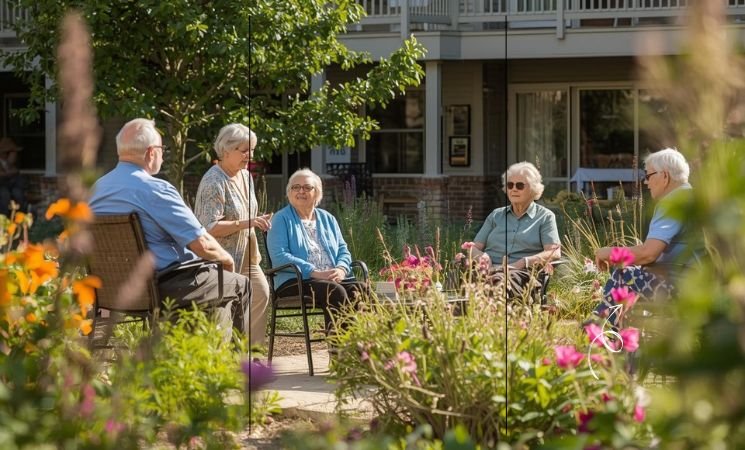
Moving into an independent living community used to carry an outdated image, something quiet and slow-paced. That idea has changed dramatically. Today’s senior living communities resemble vibrant neighborhoods more than traditional retirement settings, and the best ones focus on freedom, convenience and social connection. For many families, the real challenge is not deciding whether the move makes sense. It is figuring out what separates an average community from one that genuinely improves daily life. A thoughtful evaluation can reveal whether a community simply looks appealing on the surface or actually provides the environment people need to stay active, safe and engaged.
Safety And Everyday Peace Of Mind
Any conversation about independent living should begin with senior living safety, because it shapes how comfortable residents feel day to day. A well run community balances independence with thoughtful design that helps people navigate life easily. Wide hallways, good lighting and accessible layouts sound basic, but they make a significant difference in everyday comfort.
Safety is not just about architecture. Staff presence and responsiveness matter just as much. Residents should know help is available if they need it, yet the atmosphere should still feel relaxed rather than clinical. Communities that succeed here tend to invest in attentive teams who know residents by name and take a genuine interest in the rhythm of daily life.
Security also extends to transportation and surrounding infrastructure. Reliable shuttle services, well maintained grounds and clear emergency procedures show that a community takes preparation seriously. When those pieces fall into place, residents feel comfortable focusing on living their lives instead of worrying about logistics.
The Social Life That Makes Communities Thrive
Independent living shines when people find meaningful ways to spend their time, and that often comes down to programming that encourages connection. Communities that offer diverse group activities create natural opportunities for residents to meet one another and build friendships that develop organically.
A good calendar might include fitness classes, cooking demonstrations, book discussions or day trips to local cultural spots. The goal is not to fill every hour with scheduled events. Instead, the best communities strike a balance between organized gatherings and the freedom for residents to create their own routines.
What stands out in thriving communities is the way participation feels natural rather than forced. Residents gather for morning walks, linger over coffee in shared lounges and often end up planning their own clubs and traditions. That sense of organic interaction turns a residential complex into something closer to a neighborhood.
Living Spaces That Feel Like Home
Apartments and cottages should feel comfortable from the moment someone walks through the door. Prospective residents often notice the square footage first, yet the design details tend to matter more over time. Natural light, functional kitchens and thoughtful storage make daily life easier and far more enjoyable.
The surrounding amenities also play a role in shaping the experience. Libraries, fitness centers and inviting dining areas give residents reasons to step outside their own space and connect with others. Well maintained gardens, walking paths and patios create places where people can relax or chat with neighbors on pleasant afternoons.
A community that takes pride in its physical environment usually signals broader care throughout the organization. Clean common areas, updated furnishings and attentive maintenance teams reveal whether a place is simply operating or truly invested in the people who live there.
Dining And Daily Convenience
Food might not be the first factor people consider when touring senior living communities, yet it quickly becomes one of the most important parts of everyday life. Dining spaces that feel welcoming rather than institutional can transform mealtime into a highlight of the day.
Variety matters here. Flexible menus, fresh ingredients and accommodating dietary options allow residents to enjoy meals without feeling restricted. Many communities now include casual cafés alongside traditional dining rooms, creating spaces where neighbors can grab coffee, meet friends or enjoy a lunch.
Convenience extends beyond food. On site salons, fitness rooms and small shops can reduce the need for constant errands, allowing residents to spend more time on activities they enjoy rather than daily logistics.
Staff Culture And Community Atmosphere
Even the most beautiful campus cannot compensate for a weak community culture. When visiting independent living communities, pay attention to how residents interact with staff and with one another. Warm greetings, casual conversations and an easygoing atmosphere often reveal a supportive environment that cannot be manufactured.
Staff continuity is another important clue. Communities with low turnover often reflect healthy leadership and a workplace where employees feel respected. That stability benefits residents as well, because familiar faces foster trust and genuine relationships.
Residents themselves usually offer the clearest window into daily life. During tours, watch how people move through common spaces. If they appear relaxed and engaged, chatting in lounges or heading to activities together, it speaks volumes about the environment.
Finding The Right Fit
Choosing an independent living community ultimately comes down to personal comfort and lifestyle preferences. The best communities combine thoughtful design, engaging social opportunities and a culture that encourages independence without isolation. When those elements come together, senior living becomes less about downsizing and more about stepping into a new chapter filled with connection, convenience and renewed freedom.
