

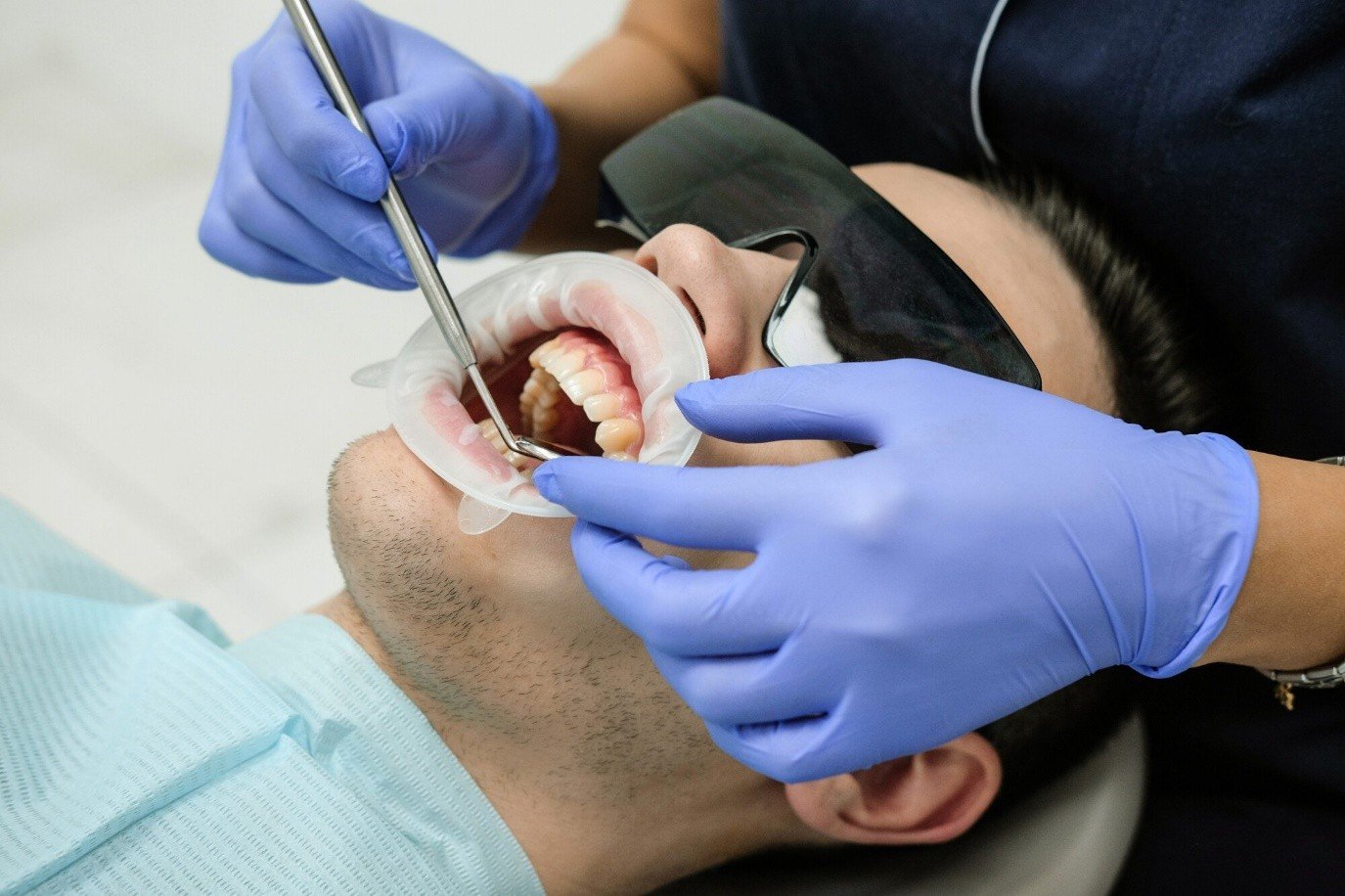
Many people think teeth only affect the mouth. In truth, teeth also help support the shape of the face. When teeth are healthy and complete, the jaw stays strong and balanced.
But when teeth are lost or damaged, the face can slowly change over time. Modern restorative dentistry helps stop these changes before they become severe. New dental tools and treatments can protect the jawbone and keep the face looking natural for many years.
This type of care is not only about appearance. It also helps people eat, speak, and smile with comfort.
Today, more patients are learning how oral health connects to facial shape and aging. Read more to discover how restorative dental technology protects long-term facial structure.
Why Bone Loss Changes the Face
The jawbone needs pressure from teeth to stay healthy. Each time a person chews, the bone receives gentle stimulation. When a tooth is lost, that area no longer receives pressure, and the bone may begin to shrink.
Over time, this bone loss can change the way the face looks. The cheeks may appear sunken, and the lips may lose support. Some people also notice deeper lines around the mouth and jaw.
These changes can happen slowly, which is why many people do not notice them at first. Modern restorative care focuses on stopping this process early to help maintain facial balance and strength.
How Restorative Dentistry Protects Facial Shape
Dental implants are one of the most effective tools for protecting the jawbone. Implants act like natural tooth roots and help stimulate the bone during chewing. This helps keep the bone healthy and stable over time.
Crowns and bridges also help restore support inside the mouth. They improve chewing strength and help spread pressure evenly across the teeth and jaw. Some patients may also need bone grafting to rebuild weak areas of the jaw before treatment begins.
Modern clinics now use advanced imaging and digital tools to plan these procedures with greater accuracy. This helps dentists create treatments that match the patient’s natural facial structure. When patients ask if difficult restorations are possible, many specialists confidently explain that Dr Baker will do it with careful planning and modern technology.
Technology Makes Treatment More Precise
New technology has changed restorative dentistry in major ways. Digital scans and 3D imaging allow dentists to study the mouth and jaw in detail before starting treatment. This improves comfort, speed, and accuracy.
Custom-made restorations also fit better than older designs. Patients often experience more natural movement and appearance after treatment.
Better materials now help restorations last longer while blending smoothly with natural teeth. These improvements help patients protect both their oral health and facial appearance at the same time.
Protecting Your Smile for the Future
Modern restorative dentistry does more than repair teeth. It helps protect the entire facial structure by supporting healthy bone and jaw function. Treatments like implants, crowns, and bone grafts can reduce the effects of aging caused by tooth loss.
Healthy teeth and strong bones work together to maintain balance in the face. With the help of advanced technology, patients now have better options for preserving both comfort and appearance. As restorative care continues to improve, more people can enjoy healthy smiles that support long-term confidence and facial strength.
