

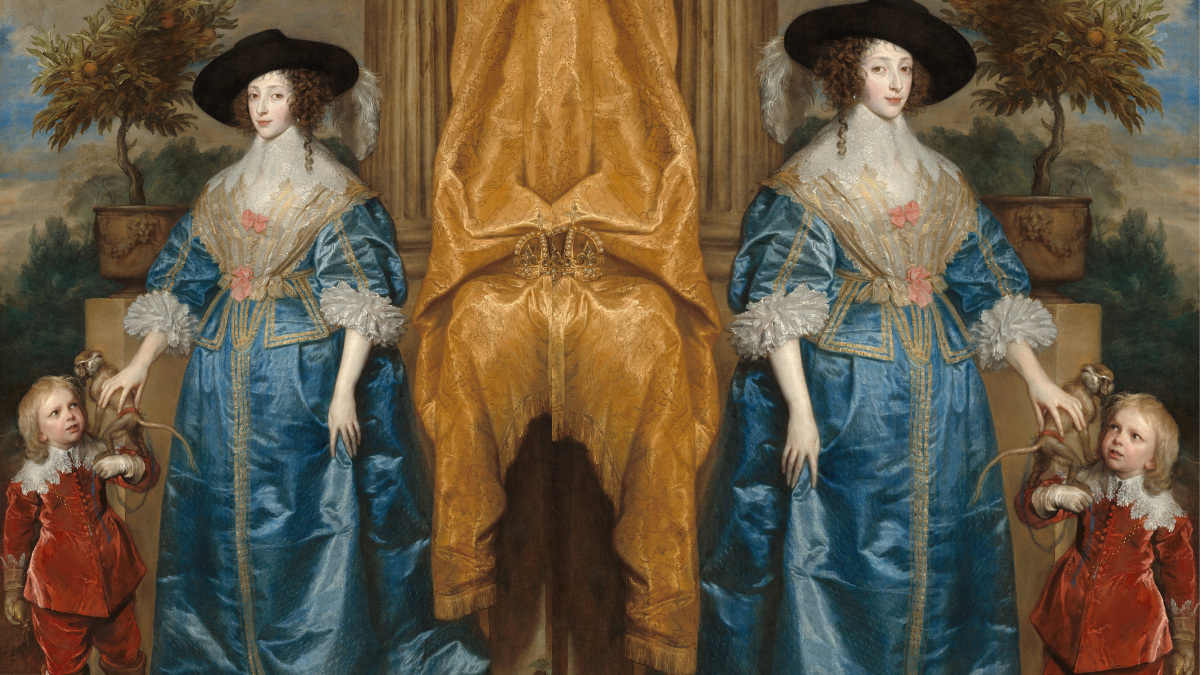
In the lavish royal courts of 17th-century England, few figures captured attention quite like Jeffrey Hudson — a man so small that he was once presented to a queen inside a giant pie became known as the “Queen’s Dwarf” and “Lord Minimus.”
But Hudson’s life was far more extraordinary than a strange court performance.
He became a celebrity in the court of Queen Henrietta Maria, travelled across Europe, witnessed the chaos of the English Civil War, killed a man in a duel, and later spent decades enslaved by Barbary pirates in North Africa.
His story sounds almost fictional, yet Jeffrey Hudson was very real. Historians later described him as one of the great “wonders of the age,” and today he remains one of the most fascinating forgotten figures in British history.
Who Was Jeffrey Hudson?
Jeffrey Hudson was born in 1619 in Oakham, Rutland, England. Unlike many people historically described as dwarves, Hudson was said to be unusually small while still remaining proportionate in appearance.
Historical accounts describe him as standing only around 18 inches (46 cm) tall during adulthood.
Contemporaries floated all sorts of folk explanations for his size, one popular tale claimed his mother swallowed a piece of gherkin the wrong way during pregnancy. Modern historians think a far more plausible cause is a pituitary gland disorder that limited his growth hormone, a genuine endocrine condition rather than anything supernatural.
Despite his tiny size, Hudson would eventually become one of the most famous personalities in the royal court of King Charles I and Queen Henrietta Maria.
The Boy Presented Inside a Pie
Jeffrey Hudson’s rise to fame began in one of the strangest royal introductions in English history.
In 1626, the Duke and Duchess of Buckingham hosted a grand banquet for King Charles I and Queen Henrietta Maria. During the celebration, a massive pie was brought before the queen.
Then something unexpected happened.
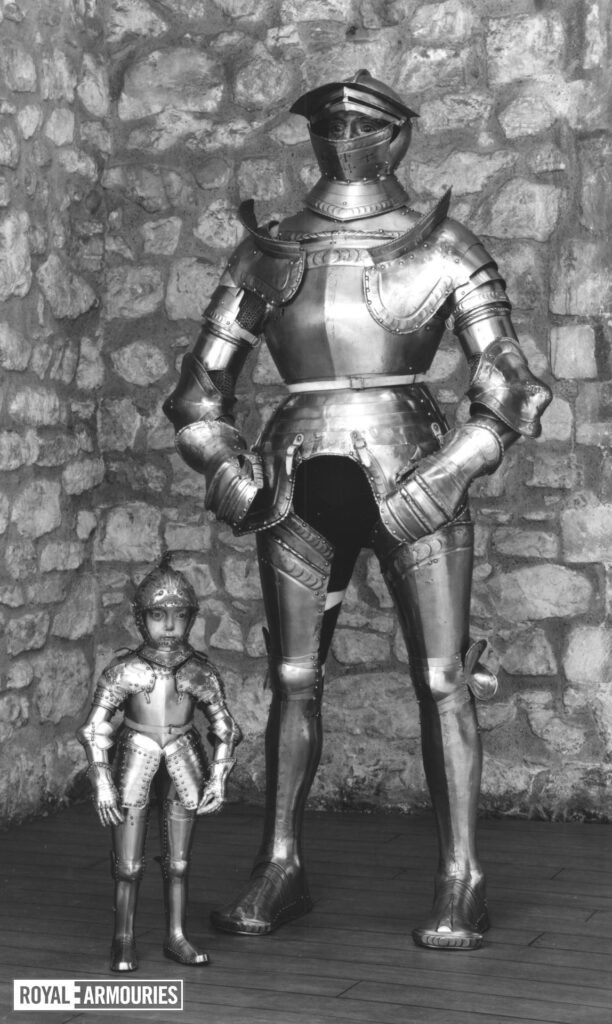
Jeffrey Hudson emerged from inside the pie dressed in miniature armor.
The performance delighted the queen, who quickly became fascinated by the tiny young boy. Soon afterward, Hudson joined her royal household and became known as the “Queen’s Dwarf” and “Lord Minimus.”
Even in an age filled with elaborate court entertainment, the spectacle became legendary.
Life Inside the Royal Court
Life at the Stuart court was extravagant, theatrical, and filled with unusual personalities.
Hudson quickly became a favorite within Queen Henrietta Maria’s household. He was not simply treated as entertainment; he was dressed in expensive clothing, trained in courtly behavior, and included in royal events.
The queen even commissioned tiny suits of armor and elaborate outfits for him.
Hudson regularly appeared in court masques — elaborate performances involving music, dance, costumes, and mythology. These events were among the most luxurious forms of entertainment in Europe at the time.
One famous routine involved a gigantic servant named William Evans pulling Hudson from his pocket as if he were a toy.
Although court dwarves existed in several European royal households, Jeffrey Hudson became unusually famous because of his perfectly proportioned appearance and charismatic personality.
Jeffrey Hudson’s Travels Across Europe
Hudson did not spend his life hidden inside palace walls.
In 1630, he travelled to France with members of the queen’s household. The journey was intended partly to strengthen royal connections between England and France.
During the voyage, their ship was attacked by pirates from Dunkirk.
Hudson and several royal attendants were briefly captured before eventually being released.
This would not be the last time piracy shaped his life.
Later, Hudson also travelled to the Netherlands with English courtiers during military conflicts involving Spain and the Dutch Republic.
These experiences exposed him to politics, warfare, and international conflict at a surprisingly young age.
The English Civil War Changes Everything
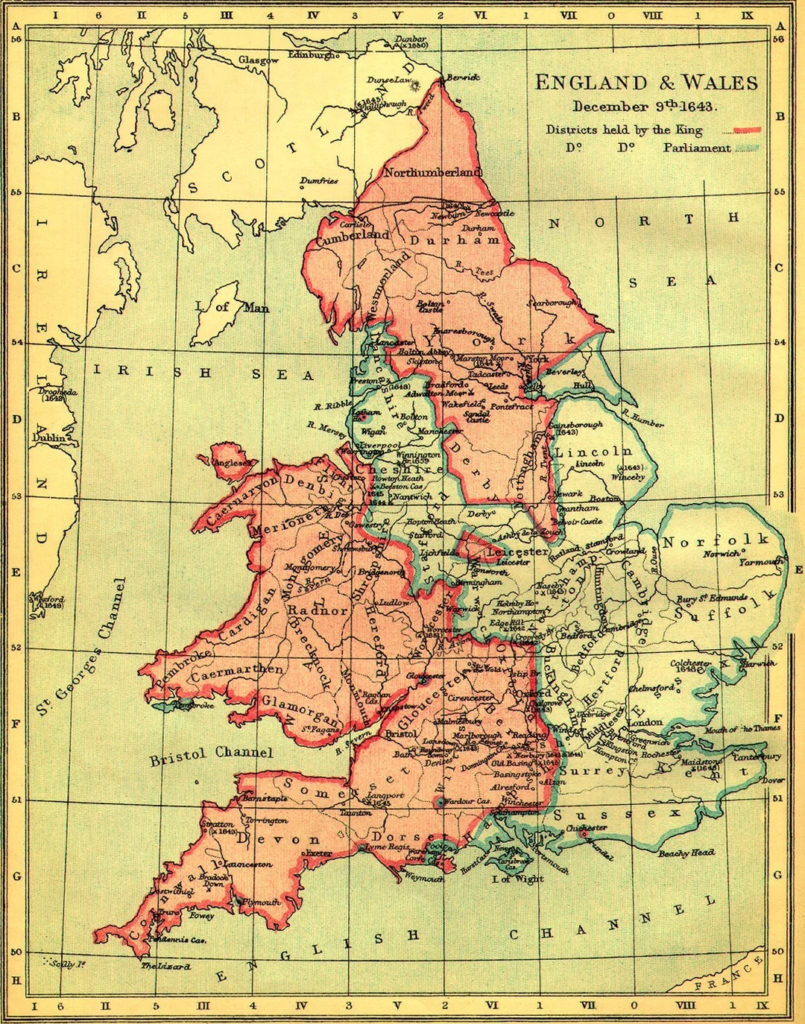
By the early 1640s, tensions between King Charles I and Parliament exploded into the English Civil War.
England was divided between:
- Royalists (supporters of the king)
- Parliamentarians (supporters of Parliament)
Queen Henrietta Maria actively supported the Royalist cause and travelled across Europe attempting to raise money and military support for her husband.
Jeffrey Hudson remained loyal to the queen during this dangerous period.
Remarkably, Hudson was given the honorary title “Captain of Horse,” suggesting he held some role connected to cavalry forces supporting the Royalists.
Although historians debate whether he ever fought directly in battle, Hudson reportedly took the title very seriously and later continued referring to himself as “Captain Jeffrey Hudson.”
The Duel That Destroyed His Life
After the Royalists suffered defeats, Queen Henrietta Maria fled to France with loyal supporters, including Hudson.
But life in exile became tense.
Hudson no longer wished to be treated as a joke or curiosity. According to historical accounts, he became increasingly sensitive to insults about his size.
In 1644, conflict erupted between Hudson and a man connected to the royal court named Crofts.
The exact cause of the dispute remains unclear, but Hudson challenged him to a duel.
Crofts reportedly arrived carrying a water squirt instead of a proper weapon, apparently mocking Hudson rather than taking the duel seriously.
The insult proved fatal.
Hudson shot Crofts in the forehead and killed him.
The consequences were disastrous.
Dueling was illegal in France, and killing a member of the queen’s social circle created a major scandal. Hudson was initially sentenced to death before Queen Henrietta Maria intervened to save his life.
Soon afterward, he was expelled from the royal court.
Captured by Barbary Pirates
Hudson’s fall from royal celebrity to slavery was one of the most shocking transformations in 17th-century history.
After leaving France, Hudson boarded a ship that was captured by Barbary pirates operating in the Mediterranean.
These pirates regularly attacked European vessels and sold captives into slavery in North Africa.
Hudson reportedly spent around 25 years enslaved in North Africa, possibly in Algeria or Tunis.
Very little is known about his life during this period. Historians believe he likely performed physical labor while surviving under brutal conditions far removed from the luxury of royal courts.
When he finally returned to England decades later, he claimed the hardships of slavery had somehow caused him to grow taller, increasing from around 18 inches to approximately 45 inches (114 cm).
Whether this claim was medically accurate remains debated by historians.
Jeffrey Hudson’s Final Years
By the time Hudson returned to England, the world he once knew had changed completely.
King Charles I had been executed.
The monarchy had collapsed and later been restored.
Many of the people who once knew him were dead.
Hudson never fully regained his former status at court. He spent his later years living in poverty and occasionally receiving small financial payments from powerful nobles.
In 1676, he returned to London hoping to secure support from the royal government.
Instead, he encountered another disaster.
England was consumed by anti-Catholic hysteria during the so-called “Popish Plot,” and Hudson — a known Catholic connected to Queen Henrietta Maria’s Catholic household — was imprisoned for a considerable period.
He was eventually released but remained poor and largely forgotten.
Jeffrey Hudson died around 1682 and was buried in an unmarked grave.
For a man once celebrated across Europe, his ending was tragically humble.
Why Jeffrey Hudson Still Fascinates Historians
Jeffrey Hudson’s life feels almost impossible to believe: royal luxury, celebrity status, war, violence, slavery, imprisonment, and poverty, all inside a single lifetime.
His story reveals the strange nature of 17th-century Europe, where fascination with physical difference mixed uneasily with cruelty, entertainment, and politics.
Today, historians view Hudson as more than simply a “court dwarf” — he’s remembered as a survivor, a royal insider, and one of the most unusual figures of the Stuart era.
Strange Facts About Jeffrey Hudson
- He was introduced to the queen inside a giant pie.
- He wore custom-made miniature armor.
- He travelled across Europe with royalty.
- He fought a deadly duel.
- He survived decades of slavery in North Africa.
- He may have inspired later fictional depictions of court dwarves in fantasy literature.
Frequently Asked Questions
Was Jeffrey Hudson a real person?
Yes. Jeffrey Hudson (1619 – c. 1682) was a real historical figure, baptised in Oakham, Rutland, England, who became “Queen’s Dwarf” to Henrietta Maria of France, the wife of King Charles I.
How tall was Jeffrey Hudson?
Hudson stood about 18 inches (46 cm) tall as an adult, and historical accounts say his height barely changed from around age 7 through age 30. After his release from decades of slavery in North Africa, he claimed to have grown further, to around 45 inches (114 cm).
What caused Jeffrey Hudson’s small size?
Contemporaries speculated about supernatural or folkloric causes. Modern historians point instead to a pituitary gland disorder that limited his growth hormone as the most medically plausible explanation.
What happened to Jeffrey Hudson in the end?
After decades enslaved in North Africa, Hudson returned to England around 1669, was later imprisoned during the anti-Catholic hysteria of the Popish Plot, and died around 1682 in poverty, buried in an unmarked grave.
Sources
- Wikipedia: Jeffrey Hudson
- National Gallery of Art: Queen Henrietta Maria with Sir Jeffrey Hudson, by Anthony van Dyck
- Royal Armouries: Miniature armour collection record
