

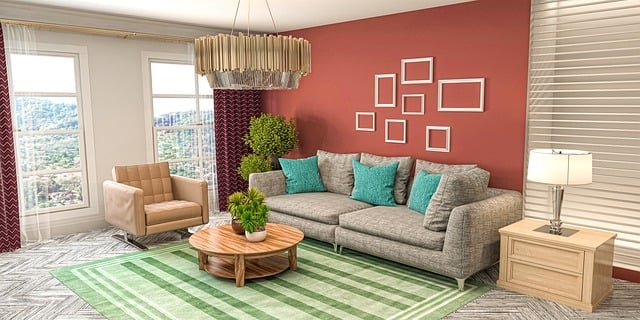
The finest interiors rarely announce themselves. They register through deliberate decisions, open proportions, and surfaces that carry their own presence. A common misconception associates luxury with abundance, as if every wall and shelf needs something on them.
In practice, the most admired residences hold surprisingly little, with each object earning its position through purpose or beauty. This move away from excess has quietly redefined what high-end living actually looks like. The outcome is a composed, unhurried environment that feels elevated yet entirely livable.
Less Visual Noise Creates Greater Impact
Paring down a collection forces craftsmanship into the spotlight. A well-shaped sofa, a minimal coffee table, and a single piece of artwork leave nothing hidden in a living area. Joinery, grain direction, and metal finishes all contribute to the overall aesthetic. For those seeking stylish Miami modern furniture for luxury living, this idea hits close to home. Pieces designed around balanced proportions and honest materials help a room feel resolved without veering into overstatement. The negative space around each item strengthens its visual authority rather than diluting it.
Material Quality Over Decorative Quantity
Investing in Surfaces That Age Well
Elevated interiors rely on materials that improve with age. Natural stone, solid timber, brushed alloys, and hand-glazed ceramics possess a sensory richness that mass-produced options never replicate. A single stone feature wall can anchor an entire room, removing any temptation to layer on further embellishment.
Texture as a Substitute for Pattern
Rather than piling on graphic prints, edited interiors rely on texture for visual complexity. Bouclé fabric against a flat plaster surface, or a matte ceramic vessel placed on a glossy walnut shelf, delivers contrast without disorder. These understated combinations age gracefully and sidestep the trap of fleeting fashion cycles.
The Role of Negative Space
Open areas within a layout are functional, not vacant. Gaps between furniture groupings direct foot traffic, highlight focal elements, and cultivate a sense of ease. A wide margin separating a dining set from a sideboard, for instance, lends both pieces greater stature and clarity.
This concept, often described as breathing room, holds true at every scale. Even modest apartments project confidence when furnishings are tightly edited and positioned with generous clearance. Overcrowding a compact space only amplifies its limitations.
Color Palettes That Prioritize Cohesion
Edited interiors generally work within three or four coordinated tones. Warm neutrals, hushed grays, subdued earth hues, and a restrained dark accent form a unified foundation. Holding that range steady keeps individual shades from competing against one another.
A focused palette also simplifies seasonal refreshes. Replacing cushions, textiles, or a single statement chair can transform the feel of a room without prompting a wholesale overhaul. Solid visual groundwork at the base level turns accessories into creative choices rather than corrective measures.
Lighting as an Architectural Element
Layered Sources Over Single Fixtures
Thoughtfully planned rooms never lean on one ceiling fixture alone. They blend recessed downlights, standing lamps, wall-mounted sconces, and directed task lighting so each source addresses a specific need, from general warmth to concentrated reading light.
Dimming for Mood Control
Variable lighting allows a room to shift personality as the hours pass. Cool, bright settings support morning productivity; soft, warm tones encourage evening rest. That range of expression adds perceived value to the space without requiring a single additional object.
Conclusion
Restraint in interior design is a strategy, not a sacrifice. It sharpens focus on every remaining piece, drawing attention to form, surface quality, and spatial arrangement. Generous open areas let architecture breathe, while tight color schemes and thoughtful lighting introduce richness without visual competition. Homeowners who adopt this approach consistently find their spaces feel more expansive, more peaceful, and considerably more refined. True luxury, at its heart, stems from the discipline to hold back rather than the reflex to fill every gap.
