

Table of Contents
- Leaky Faucets
- Clogged Drains
- Running Toilets
- Low Water Pressure
- Water Heater Issues
- Burst Pipes
- Sump Pump Failure
- Sewer System Backup
- Conclusion
Homeownership comes with its share of challenges, and plumbing issues are among the most common. Whether you’re a new homeowner or an experienced one, having reliable plumbing is crucial for a comfortable home. By understanding typical plumbing problems and knowing how to prevent them, you can avoid costly repairs and emergencies. If you need professional assistance, reaching out to a full service plumbing company in Annapolis, Maryland can provide the expertise and peace of mind all homeowners want. From leaky faucets to sewer backups, this guide highlights the most common plumbing issues and outlines practical steps to keep your plumbing system healthy. Tackling these problems early can save thousands of gallons of water annually and prevent property damage. Staying proactive not only protects your home’s infrastructure but also ensures your family’s safety and comfort. Most importantly, consistent maintenance moves minor annoyances out of the way before they become emergencies. Knowing what to look for means you can address small issues quickly and efficiently. Early action is always key to maintaining efficient water usage and avoiding far more expensive fixes down the road.
Leaky Faucets
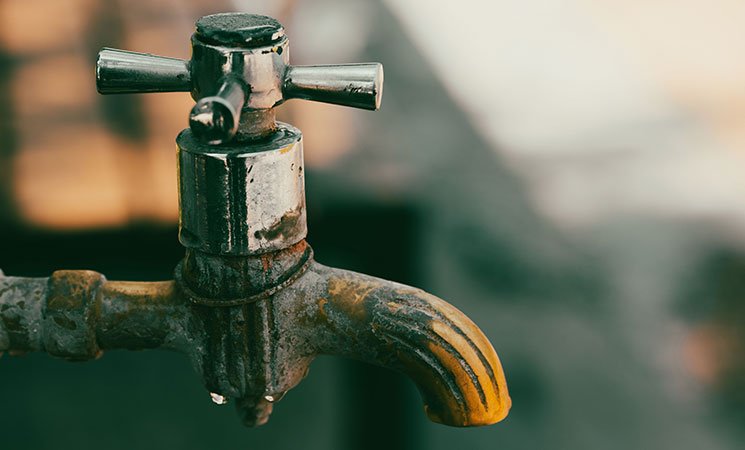
That constant drip from a leaky faucet is more than an annoyance. It can waste over 3,000 gallons of water each year, noticeably increasing your utility bills. Usually, a worn washer or O-ring is the culprit behind the leak. Over time, wear and tear from repeated use degrade these small parts, making them less effective.
Prevention Tips:
- Inspect faucets regularly for slow drips or leaks.
- Replace washers or O-rings at the first sign of deterioration.
- Tighten faucet handles gently, never using excessive force to stop a leak.
- Consult your faucet’s manual for part numbers and specific repair instructions.
With routine inspection and quick repairs, you can protect your home’s plumbing while saving money and water. For more information about the environmental impact of household leaks, refer to the EPA’s Fix a Leak Week initiative.
Clogged Drains
Clogged drains are a headache for any homeowner. Most are caused by a buildup of hair, soap residue, grease, or food particles accumulating in bathroom or kitchen drains. Ignoring blockages can lead to slow-draining sinks, foul odors, or even more significant pipe damage.
Prevention Tips:
- Install and regularly clean drain guards to prevent debris from entering pipes.
- Never pour fats or cooking oils down the sink.
- Flush drains periodically with a solution of baking soda followed by vinegar.
- Teach household members what can and cannot go down the sink or shower drain.
Consistent attention to what goes down your drains is vital to preventing costly backups. If the clog is stubborn, try a plunger or a plumbing snake, but avoid chemical drain cleaners, which can damage your pipes over time.
Running Toilets
A running toilet is often overlooked but can waste as much as 200 gallons of water per day, leading to an unexpected spike in utility bills. The most likely reasons are malfunctioning flapper valves, worn seals, or misaligned fill tubes, which can prevent the tank from sealing properly.
Prevention Tips:
- Check for leaks by adding food coloring to the tank; if the color appears in the bowl, the flapper needs replacing.
- Regularly examine the inner components of the toilet tank to confirm everything is working correctly.
- Replace worn-out parts promptly using manufacturer-approved kits.
- Avoid using harsh tablets that degrade rubber gaskets and flappers quickly.
Low Water Pressure
Low water pressure can be particularly frustrating. Common causes include sediment buildup in faucet aerators or pipes, corrosion, or an undetected leak somewhere in your plumbing system.
Prevention Tips:
- Routinely clean faucet aerators and showerheads by soaking in vinegar to dissolve mineral deposits.
- Monitor for unexplained water stains or puddles, which can indicate hidden leaks.
- Schedule annual plumbing inspections, especially in older homes with galvanized piping.
- Respond to gradual decreases in water pressure by consulting a professional, as it could signal a more serious issue.
Water Heater Issues
Water heater difficulties might manifest as inconsistent temperatures, discolored hot water, or strange noises from the tank. Sediment buildup is a frequent cause, reducing efficiency and sometimes shortening the heater’s lifespan.
Prevention Tips:
- Flush the tank at least once a year to remove sediment and mineral buildup.
- Inspect the anode rod every few years and replace it before it dissolves completely.
- Keep an eye on water temperature settings; 120°F is generally safe and efficient.
- Schedule annual professional inspections, especially as your heater ages.
Burst Pipes
Burst pipes are a major cause of water damage, especially in areas prone to freezing weather. When water in pipes expands as it freezes, it creates immense pressure, often resulting in ruptures.
Prevention Tips:
- Insulate exposed pipes in frequently unheated areas, such as basements, attics, or garages.
- Keep your home’s temperature consistently above 55°F, even when you’re away.
- Seal gaps where pipes enter walls to maintain heat around them.
Sump Pump Failure
Sump pump failure often results in flooded basements, especially during storms or rapid snowmelt. Mechanical issues, power outages, or debris-clogged intake valves are the usual culprits.
Prevention Tips:
- Test the sump pump every few months by pouring water into the basin to ensure automatic operation.
- Clear the intake valve and pit of mud, stones, or debris regularly.
- Consider investing in a backup battery system in case of power outages.
- Review local weather warnings and perform extra checks before major storms.
Sewer System Backup
Sewer backups can expose your family to harmful contaminants and cause significant property damage. Common contributing factors include tree root intrusion, blockages, or overloading from heavy rain.
Prevention Tips:
- Install backwater valves to prevent sewage from re-entering your home.
- Never flush diapers, wipes, or other non-biodegradable materials down toilets or drains.
- Have your sewer line professionally inspected if you notice slow drainage or gurgling sounds.
- Keep large tree roots away from sewer lines, as roots are a primary source of blockages.
These common plumbing concerns rarely resolve on their own. By staying vigilant and employing preventive measures, homeowners can protect their property, conserve water, and minimize costly repair bills.
Conclusion
Plumbing problems are a common part of homeownership, but most issues can be prevented or minimized with regular maintenance and early detection. From leaky faucets and clogged drains to more serious concerns like burst pipes and sewer backups, understanding the warning signs helps homeowners act quickly before small issues turn into costly emergencies. Simple habits such as routine inspections, proper disposal practices, and seasonal maintenance can significantly extend the life of your plumbing system. By staying proactive and addressing problems early, you can protect your home from water damage, reduce utility costs, and maintain a safe and comfortable living environment. While many minor issues can be managed at home, professional support from a qualified plumber ensures long-term reliability and peace of mind when dealing with complex or recurring problems.
