

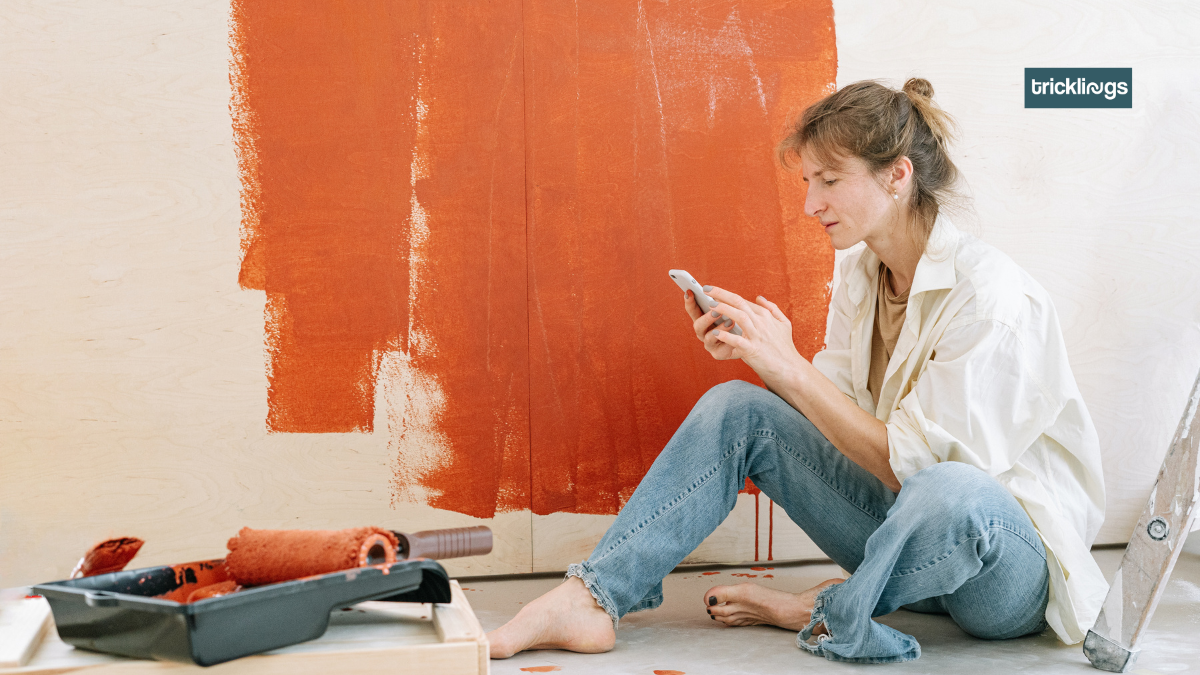
Renovation can be exciting right up until the bills start arriving and you realize the project is taking twice as long as expected. Most homeowners go into a renovation with good intentions.
But then, old wiring appears behind a wall. Materials cost more than expected. A job that looked straightforward suddenly needs another trade. While you cannot predict every surprise, you can avoid some of the mistakes that make renovations harder, slower, and more expensive.
Don’t Start Without a Proper Budget
It is easy to look at the price of cabinets, flooring, paint, or bathroom fixtures and think you have a rough idea of what the project will cost. Unfortunately, those are only parts of the bill. Labor, waste removal, delivery charges, permits, repairs, and little extras can quickly add up. Set your budget before work begins and leave some money aside for things you did not see coming. That extra cushion can make a huge difference when an old pipe decides to become part of the renovation.
Don’t Choose Someone Just Because They’re Cheap
Saving money is important, but the lowest quote is not automatically the best deal. A contractor who charges less may simply be offering less. Perhaps certain work is not included, cheaper materials are being used, or the estimate leaves out details that will appear as additional costs later.
Take your time when comparing professionals. Ask questions, check previous work, and make sure you understand exactly what is included. If your renovation involves the roof, for example, take time to research reputable roofing contractors rather than choosing the first name you find.
Don’t Keep Changing Your Mind Midway Through
This one sounds obvious until you are standing in a half-finished kitchen wondering whether those cabinets would look better somewhere else. Changing plans after work has started can create a domino effect. A small alteration might mean moving plumbing, changing electrical work, ordering different materials, or delaying another part of the project.
Spend plenty of time making decisions before the first hammer comes out. You do not have to have every cushion and picture frame chosen, but the important structural and layout decisions should be settled.
Don’t Ignore Problems Just Because They’re Ugly
A renovation is a great opportunity to make your home look better, but appearances should not come before the condition of the property. If there is damp, damaged roofing, outdated wiring, plumbing trouble, or structural deterioration, deal with those issues first. There is little point installing beautiful new finishes if water is still finding its way into the walls. Cosmetic improvements can wait. A problem that threatens the house cannot.
Don’t Forget How You’ll Actually Live There
A room can look fantastic in photographs and still be frustrating to use every day. Think about where you will store things, how people move through the space, where appliances will sit, and whether there is enough lighting. A trendy design might catch your eye now, but practical choices tend to make you happier for much longer.
Take Your Time Before You Start
The best renovation decisions are often made before any work begins. Plan carefully, ask plenty of questions, allow some breathing room in your budget, and resist the temptation to rush simply because you are eager to see the finished result.
A renovation does not have to be perfect to be worthwhile. It just needs to be thought through well enough that you are not fixing the same mistakes a few months later.
