

Research and historical references for this article were gathered from multiple historical sources, including Wikipedia, and rewritten in a reader-friendly format for easier understanding.
The English Civil War was a struggle over power, religion, and the future of monarchy in Britain.
English Civil War Timeline
1637–1640 — Tension Begins
- King Charles I raises taxes without Parliament
- Religious conflicts grow across England and Scotland
- Many people begin distrusting the king
Why it mattered:
People feared the king was becoming too powerful.
1642 — The War Starts
- Charles I attempts to arrest members of Parliament
- He fails and leaves London
- War officially begins between:
- Royalists (King supporters)
- Parliamentarians
Famous names: Cavaliers vs Roundheads
1643–1644 — England Divides
- Families and towns choose sides
- Major battles spread across the country
- Scotland joins the conflict against the king
Strange fact:
Some villages tried to stay neutral just to survive.
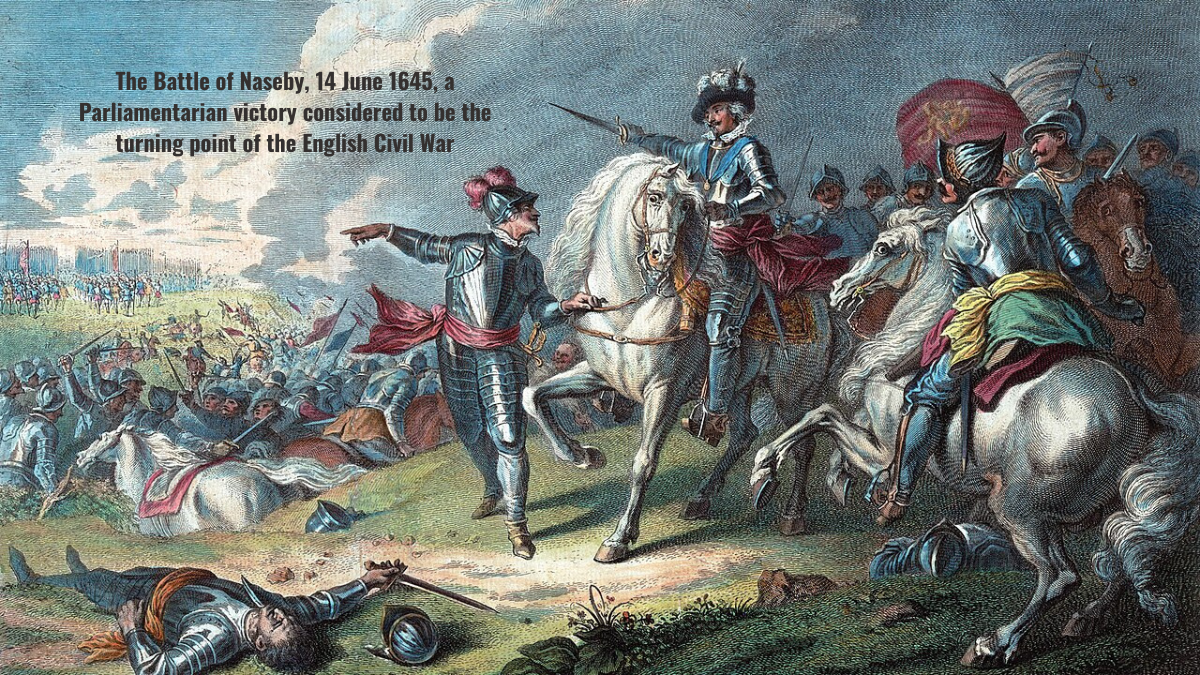
1645 — Battle of Naseby
- Parliament’s New Model Army defeats the king
- Royalist power collapses
Turning Point:
This battle changed the entire war.
1646 — King Charles I Surrenders
- The king gives himself up to the Scots
- Parliament now controls most of England
But the conflict was not over yet.
1648 — Second Civil War
- Charles I secretly tries to regain power
- Fighting breaks out again
- Parliament loses trust completely
This leads to a shocking decision.
1649 — The King Is Executed
- Charles I is tried for treason
- He is publicly beheaded in London
A king executed by his own people.
1649–1653 — England Becomes a Republic
- Monarchy is abolished
- Oliver Cromwell becomes dominant
England briefly had no king at all.
1653–1658 — Cromwell Rules
- Cromwell becomes Lord Protector
- Military rule becomes stronger
Many people felt little freedom remained.
1660 — The Monarchy Returns
- Charles II becomes king
- The monarchy is restored
But royal power would never be absolute again.
10 Strange Facts About the English Civil War
The English Civil War was not just a battle between a king and Parliament. It was a chaotic period filled with strange alliances, dramatic betrayals, secret negotiations, and shocking events that changed Britain forever.
Here are some of the most unusual and fascinating facts about the war — explained in a simple way for modern readers.
1. England Executed Its Own King
One of the most shocking facts about the war is that the English people publicly executed their own monarch, Charles I, in 1649.
At the time, kings were believed to rule by “divine right,” meaning their authority came directly from God. Executing a king was almost unthinkable in Europe.
But after years of war and failed negotiations, Parliament decided the king could not be trusted. He was tried for treason and beheaded outside the Banqueting House in London.
For many Europeans, this was as shocking as a modern government collapsing overnight.
2. People Fought Over Hairstyles
The two sides in the war were nicknamed:
- Cavaliers → supporters of the king
- Roundheads → supporters of Parliament
The names partly came from hairstyles.
Royalists often wore long fashionable hair, while Parliament supporters preferred shorter, plain cuts. What started as an insult eventually became famous political labels.
3. Entire Villages Tried to Avoid the War
Not everyone wanted to choose sides.
Some communities formed groups called Clubmen, whose main goal was simply survival. They carried clubs and basic weapons to protect their homes from both armies.
Many ordinary people cared less about politics and more about protecting food, farms, and families from soldiers stealing supplies.
4. The War Was Basically Three Different Wars
Many people think the conflict happened only in England, but historians often call it the Wars of the Three Kingdoms because it also involved:
- England
- Scotland
- Ireland
Different kingdoms had different religious and political goals, making the conflict extremely complicated. Some groups even switched sides during the war.
5. Parliament Did Not Originally Want to Remove the King
This surprises many readers.
At the beginning, most Parliament supporters did not want to abolish the monarchy. They mainly wanted limits on royal power and more control over taxes and government decisions.
Only after years of fighting and repeated conflicts did radical leaders push for the king’s execution.
6. One Battle Changed Everything
The Battle of Naseby in 1645 became the turning point of the entire conflict.
Parliament’s disciplined New Model Army defeated the Royalists so badly that the king’s position never fully recovered afterward.
The battle also revealed secret letters showing that Charles I was trying to seek foreign support, which damaged public trust in him even more.
7. Religion Was One of the Biggest Causes
The war was not just political.
Religion divided society deeply:
- Puritans often supported Parliament
- More traditional Protestants and Catholics usually leaned toward the king
People feared their religion would disappear if the wrong side won. This made the conflict emotional and personal for ordinary citizens.
8. The War Killed Huge Numbers of People
Historians estimate around 200,000 people died directly or indirectly during the conflict.
For the population size of the time, this made it one of the deadliest conflicts in British history.
Many civilians died not in battle, but from:
- disease
- famine
- destroyed farmland
- economic collapse
9. Oliver Cromwell Became More Powerful Than the King
After the monarchy was removed, Oliver Cromwell eventually ruled the country as Lord Protector.
Although England had technically become a republic, Cromwell’s government became highly military and authoritarian in many ways.
Ironically, the country removed one powerful ruler and soon ended up under another strong leader.
10. The Monarchy Eventually Returned Anyway
Despite all the bloodshed, the monarchy was restored in 1660 when Charles II returned to the throne.
However, the war permanently weakened absolute royal power. Over time, Britain moved toward a constitutional system where Parliament became stronger than the monarch.
Why the English Civil War Still Matters
The English Civil War changed the future of government forever. It helped shape ideas about:
- limits on royal authority
- parliamentary power
- religious freedom
- constitutional government
Many political systems used today were influenced by the events of this conflict.
What makes the war fascinating is that it was not just about kings and generals — it affected ordinary people, families, religion, and daily life across Britain.
