

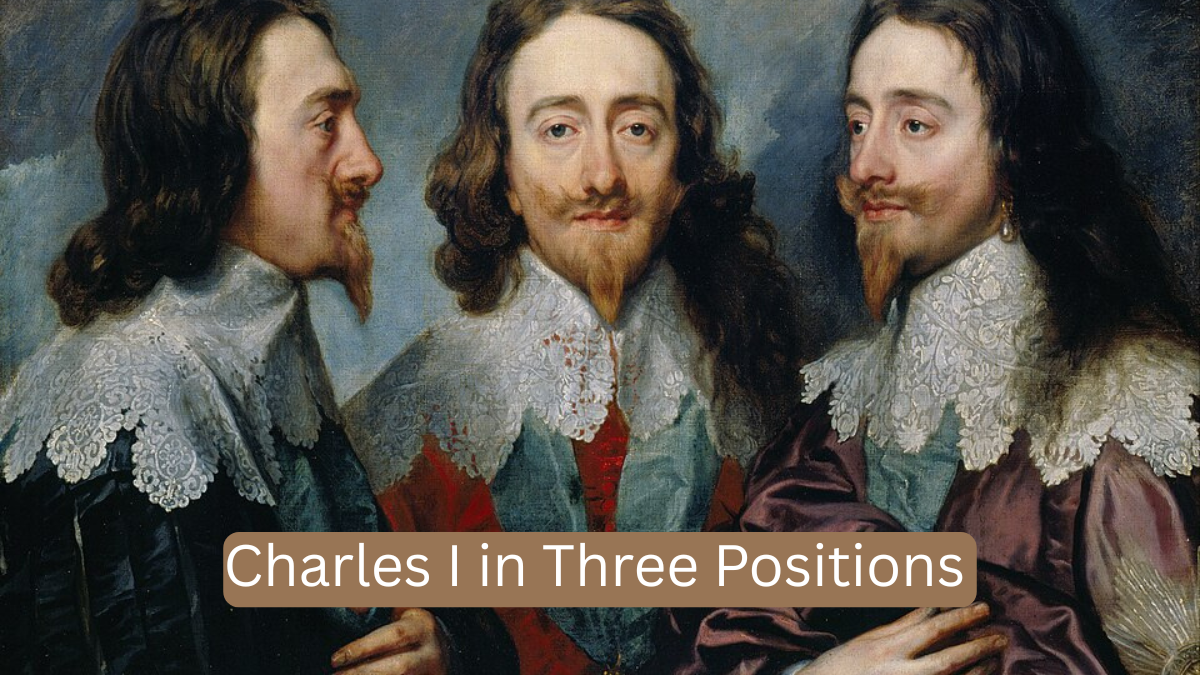
Research and historical references for this article were gathered from multiple historical sources, including Wikipedia, and rewritten in a reader-friendly format for easier understanding.
- He Was the First English King Executed by His Own People. A moment that shocked all of Europe.
- He Had a Noticeable Speech Problem. Some reports say he struggled with stammering throughout life.
- He Triggered a Civil War Trying to Strengthen Royal Power. But the war ultimately weakened monarchy forever.
- Religion Played a Massive Role in His Downfall. Many Protestants believed Charles was too sympathetic to Catholic ideas.
- A Tax Called “Ship Money” Became Nationally Hated. One financial policy helped turn public opinion against the king.
Why Charles I Still Fascinates Historians
Charles I remains controversial because he was not a simple villain.
He was:
- intelligent
- cultured
- deeply religious
- loyal to monarchy
But he was also:
- stubborn
- politically inflexible
- distrustful of compromise
Some historians see him as a tyrant.
Others see him as a tragic ruler trapped in a rapidly changing world.
Either way, his decisions changed British history forever.
Charles I of England is one of the most fascinating — and tragic — figures in British history.
He believed kings were chosen by God.
He fought his own Parliament.
He triggered a civil war.
And in the end, he became the first English king ever publicly executed by his own people.
But the real story is far stranger than most readers realize.
He Was Never Supposed to Become King
Charles was not originally expected to rule England.
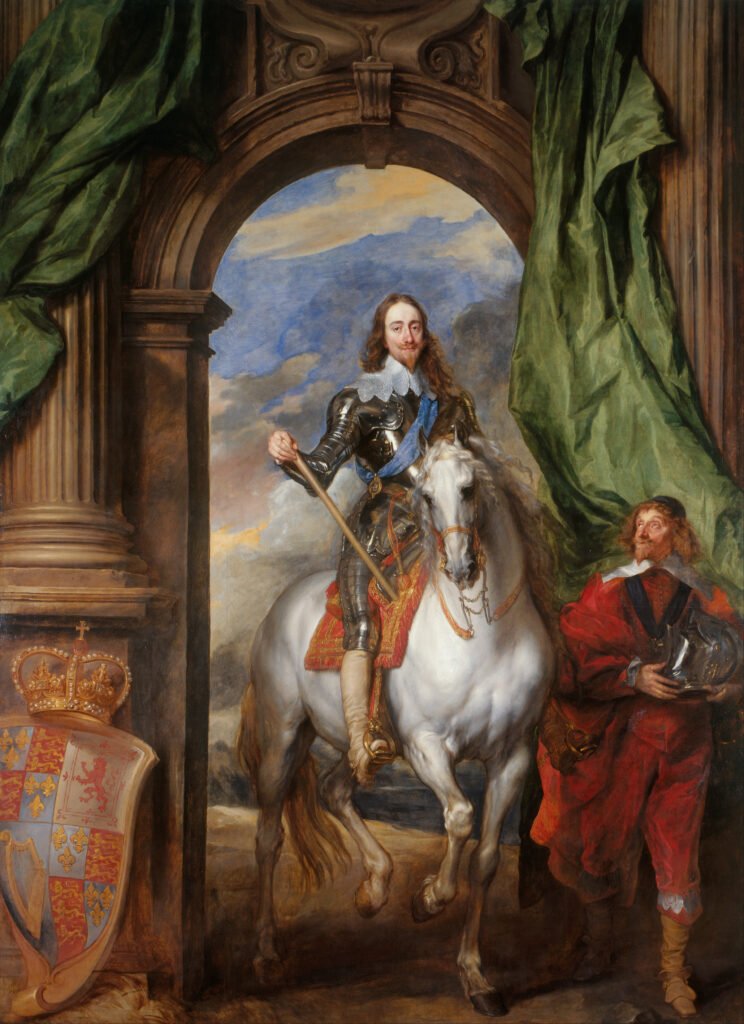
He was the second son of King James I, and his older brother Henry was seen as the future of the monarchy.
But when Henry suddenly died in 1612, Charles unexpectedly became heir to the throne.
Some historians believe this changed the future of Britain forever.
He Was Sickly and Shy as a Child
Unlike the image of powerful kings in movies, Charles struggled physically during childhood.
He had:
- weak health
- difficulty walking
- a speech problem that caused stammering
Many people underestimated him because he appeared quiet and reserved.
Ironically, this shy prince later became one of the most stubborn rulers England ever had.
He Believed Kings Answered Only to God
One of the biggest reasons for the English Civil War was Charles’s belief in the “divine right of kings.”
This idea meant:
the king’s authority came directly from God — not Parliament or the people.
Charles believed challenging the monarch was almost like challenging God himself.
This made compromise extremely difficult.
He Ruled England Without Parliament for 11 Years
After constant arguments with Parliament, Charles did something shocking:
He dissolved Parliament and ruled alone from 1629 to 1640.
Historians often call this period:
“The Eleven Years’ Tyranny”
During this time, he raised money through controversial taxes without parliamentary approval.
Many English people began fearing he wanted absolute power.
People Became Furious Over a Tax Called “Ship Money”
One strange fact modern readers often miss:
A huge political crisis exploded over naval taxes.
Originally, “ship money” was only collected from coastal towns during emergencies.
Charles expanded it across England — even in inland areas far from the sea.
To many citizens, this looked illegal and tyrannical.
A simple tax became one of the sparks of civil war.
His Marriage Made Many English People Nervous
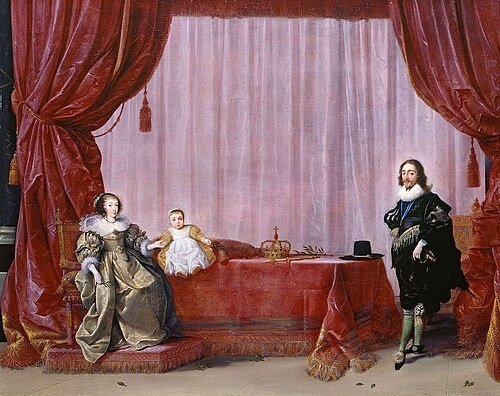
Charles married Henrietta Maria of France, a French Catholic princess.
This terrified many Protestants in England.
At the time, fear of Catholic influence was intense. Critics believed the queen and her court were pushing England toward Catholicism.
Rumors, conspiracy theories, and public anger against the royal family grew rapidly.
He Accidentally Helped Start a War in Scotland
Charles tried to force Scotland to adopt English-style religious practices.
The reaction was disastrous.
Riots broke out, resistance spread, and Scotland rebelled against the king in what became known as the Bishops’ Wars.
To fund the conflict, Charles needed money — which forced him to recall Parliament.
That decision reopened years of political tension.
He Tried to Arrest Members of Parliament Himself
In 1642, Charles made one of the biggest mistakes of his reign.
He personally entered Parliament with armed guards to arrest five members he considered traitors.
But the politicians escaped before he arrived.
The failed arrest shocked England.
Soon afterward, Charles left London — and the country moved toward civil war.
The English Civil War Was Far Bigger Than Most People Think
Many people imagine the conflict as just “King vs Parliament.”
But the war involved:
- England
- Scotland
- Ireland
Historians often call it the:
“Wars of the Three Kingdoms”
The fighting devastated towns, divided families, and killed around 200,000 people.
Charles Was Brave — But Not a Great Military Leader
Even critics admitted Charles showed personal courage during battle.
At Edgehill in 1642, he personally addressed his troops before fighting began.
But bravery did not equal military skill.
Royalist mistakes, poor strategy, and political divisions gradually weakened his cause.
The Battle of Naseby Destroyed His Chances
In 1645, Parliament’s New Model Army crushed Charles’s forces at the Battle of Naseby.
Even worse for the king:
his private letters were captured.
The letters suggested he was secretly seeking foreign and Catholic support.
Public trust in him collapsed further.
Parliament Put a King on Trial
After losing the war, Charles was captured.
But instead of simply imprisoning him, Parliament did something unprecedented:
They placed the king himself on trial for treason.
This was revolutionary.
Until then, monarchs were considered above the law.
He Was Publicly Executed in 1649
On January 30, 1649, Charles I was beheaded outside the Banqueting House in London.
Crowds watched in shock.
Europe was horrified.
For the first time in English history, a reigning king had been executed by his own government.
Ironically, England Soon Ended Up Under Another Powerful Ruler
After Charles’s death, England became a republic under Oliver Cromwell.
But Cromwell eventually ruled with strict military authority.
Many people later wondered:
had England truly escaped authoritarian rule — or simply replaced one strong ruler with another?
The Monarchy Returned Anyway
Only eleven years after Charles’s execution, the monarchy returned.
His son became King Charles II in 1660.
But England had changed permanently.
After the Civil War, future monarchs could never completely ignore Parliament again.
