

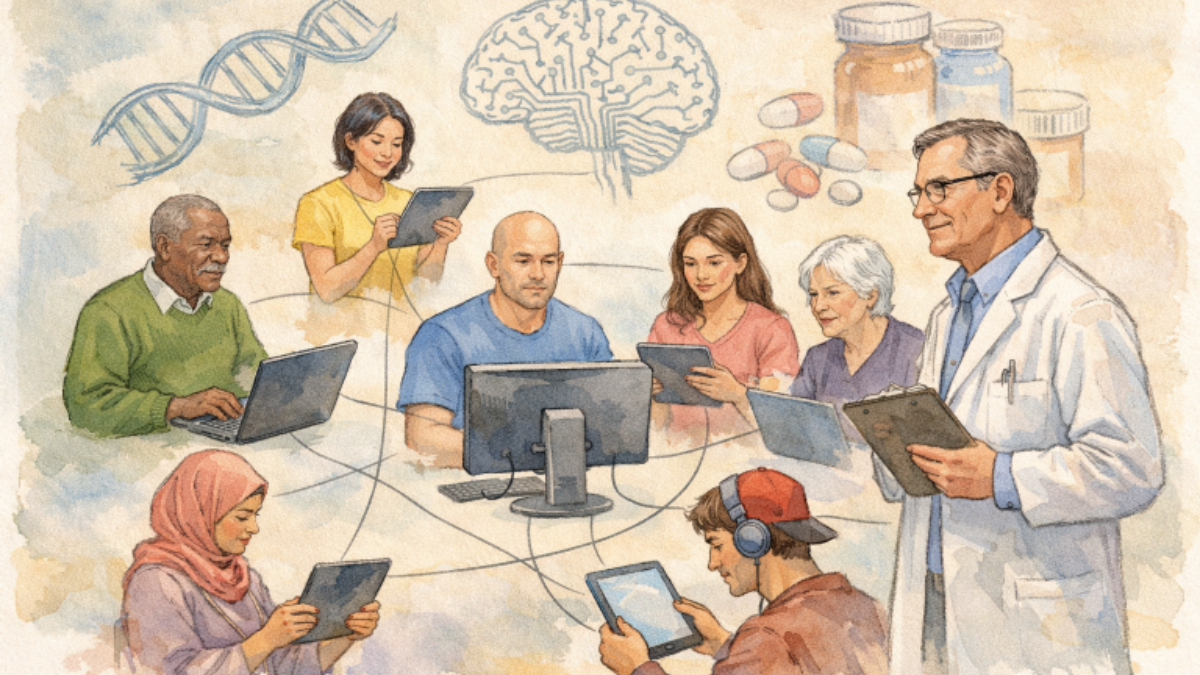
Key Takeaways
- Artificial intelligence is making clinical trial design and oversight more efficient.
- Digital twins enable advanced simulations to predict patient responses and reduce costs.
- Decentralized approaches are breaking down barriers, allowing broader participation.
- Personalized medicine strategies are improving treatment outcomes and reducing risks.
Clinical trials continue to be the foundation of medical progress, generating the critical data that brings cutting-edge therapies from the lab to the patient’s bedside. Today’s landscape is swiftly changing as several innovative approaches emerge to enhance trial efficiency, participant diversity, and data quality. In this era of transformation, researchers and professionals are exploring new clinical trial focus areas to ensure that medical advancements reach those in need quickly and safely.
Technological progress is revolutionizing almost every facet of the clinical trial ecosystem. From digital platforms that decentralize participation to sophisticated data analytics and artificial intelligence, these changes signal a more streamlined and inclusive trial process than ever before. These advances not only boost the speed of development but also improve the reliability of results and the real-world applicability of findings.
With the application of big data and genomics, researchers are not only increasing the speed at which new therapies are tested but also identifying nuanced patient subgroups that benefit the most from targeted treatments. The role of digital health in this environment cannot be overstated, with tools helping bring trials directly into patients’ homes and communities.
As more data from real-world environments is integrated into clinical research, the future holds promise for more representative and actionable results that can truly impact patient care.
Artificial Intelligence: A Game Changer in Trial Design
AI technologies have become instrumental in optimizing both trial design and operational oversight. Regulatory bodies, including the FDA, have begun using AI to monitor clinical studies in real time, a move that holds promise for reducing the traditionally lengthy process of research and approval.
Early trials have shown that by implementing AI-driven systems, timelines may be shortened by up to 40 percent, ushering in a new era of rapid drug and therapy development.
AI enables better patient matching, more adaptive research protocols, and early identification of safety signals, potentially saving both time and resources. As highlighted in a recent report by STAT News, these efforts are already influencing policy and practice in global pharmaceutical research.
Digital Twins: Simulating Patient Responses
The emergence of digital twins marks a significant leap in predictive analytics for clinical trial design. A digital twin is a computerized replica of a patient derived from biological and clinical data. By using these advanced models, researchers can forecast how diverse patient populations may respond to experimental treatments and refine protocols accordingly.
This technology not only streamlines the selection of trial participants but also allows scientists to run complex what-if scenarios, reducing the need for overly large sample sizes. By optimizing treatment arms and predicting adverse events, digital twins support more ethical study designs and faster insights, ultimately benefiting both sponsors and prospective patients.
Decentralized Trials: Bringing Research to Participants
The widespread adoption of decentralized clinical trials has transformed accessibility in medical research. No longer confined to specialized hospital settings, modern trials now harness mobile health technologies, telemedicine, and digital communication to reach participants in their own communities. This approach substantially lowers logistical hurdles, making it easier for people from diverse backgrounds to enroll and stay engaged.
Decentralized studies offer advantages like real-time data collection, greater convenience, and significantly reduced travel or time commitments for participants. This method promotes equity by recruiting a more inclusive participant population, which in turn enhances the generalizability of findings. For more details on this transformation, refer to the Mayo Clinic’s update on digital innovation in clinical trials.
Personalized Medicine: Tailoring Treatments
Innovations in genomics and advanced analytics are underpinning a new era of personalized medicine, where therapies are carefully calibrated to the biological profile of individual patients. Through the collection and analysis of genetic markers, trial sponsors can design studies that measure success based on how well a therapy works for smaller subgroups, thereby increasing efficacy and reducing unwanted side effects.
This patient-centric focus does not just benefit those with rare or complex diseases. Instead, it signifies a shift towards all patients receiving care that is more likely to work specifically for them. By leveraging genomic data, clinical trials can identify best responders and contribute further to the approval of safer, more precise medicines.
Adaptive Trial Designs: Flexibility in Research
Adaptive clinical trial designs have injected flexibility and practicality into how studies are run. These designs allow for planned modifications based on interim data, which can include adjustments in dosage, sample size, or even the introduction of new treatment arms as evidence emerges. An adaptive approach not only optimizes resource usage but can help end ineffective arms sooner, promoting more ethical research and faster conclusions.
These designs require robust pre-planning and sophisticated statistical oversight to ensure reliability. As the trend continues, sponsors and regulators are working together to define best practices that maintain scientific rigor while delivering results faster.
Real-World Evidence: Bridging the Gap
Integrating real-world evidence (RWE) from sources such as electronic health records and insurance claims is helping bridge the gap between clinical research and everyday patient care. By leveraging RWE, sponsors gain insight into the effectiveness of interventions outside controlled environments, providing a more holistic understanding of impact.
This approach not only supports regulatory decisions and new drug approvals but also empowers health policy-makers. By synthesizing RWE with traditional clinical trial data, the industry is taking steps toward more pragmatic and impactful medical evidence, ensuring that outcomes translate into real improvements in clinical practice.
Conclusion
The ongoing transformation of clinical trial methodologies is accelerating the discovery and approval of new medicines. By embracing AI-powered analytics, digital twins, decentralized practices, personalized medicine, adaptive trial designs, and real-world evidence, the industry is ensuring that innovation leads to improved patient outcomes, safer therapies, and a more equitable healthcare future.
