

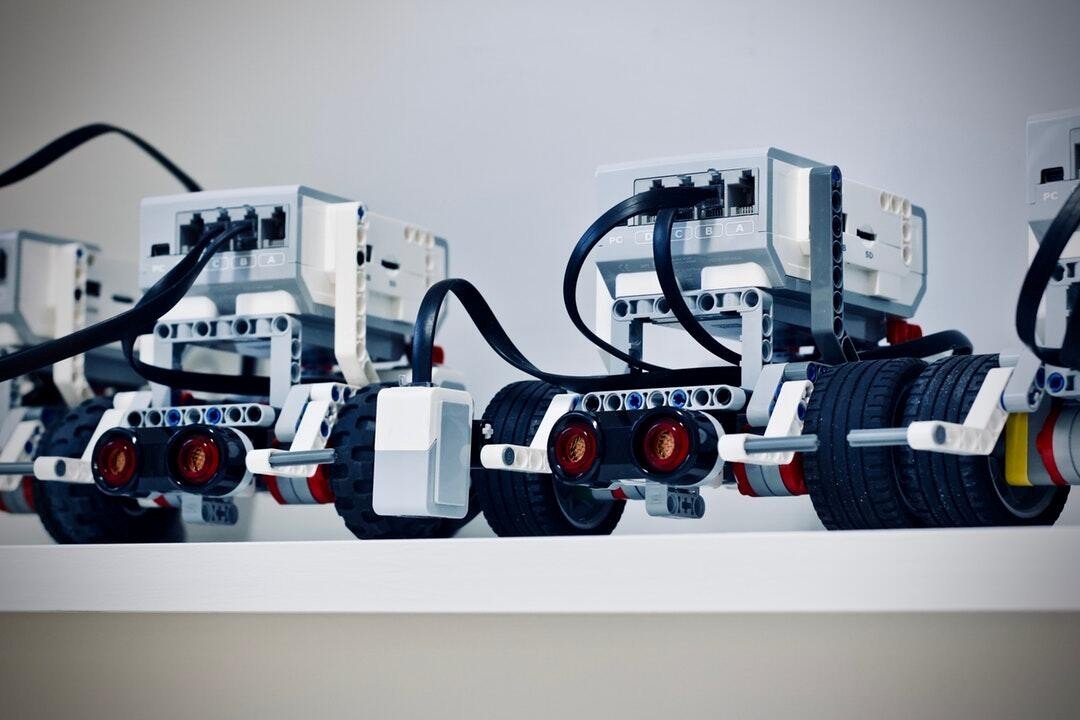
Have you ever wondered how machines can sense the world, make choices, and move with purpose? This question often sparks curiosity in people who see robots at work or in daily life. Robotics essentials are at the heart of smart builds that aim to solve real problems in simple ways.
This topic may sound complex, yet it begins with clear ideas that anyone can learn. When you understand the basics, smart systems feel less distant and more within reach. By reading this guide, you will gain clear knowledge, steady confidence, and a strong base to explore robotics with purpose and care.
Understanding The Idea Of Smart Builds
Smart builds focus on systems that can sense, think, and act in helpful ways. These systems are not magic or mystery, but a mix of logic and design. Robotics plays a key role because it brings ideas into action through movement and response.
At the heart of smart builds is the idea of efficiency, each part has a job, and each job supports the whole system. This approach saves time, energy, and effort over the long term. Beginners benefit from this mindset because it reduces confusion and waste.
Why Robotics Essentials Matter
Robotics essentials form the base of every successful system. Without this base, even a creative idea can fall apart. These essentials help builders understand how pieces work together as one unit.
When you know the basics, you can fix problems faster and improve designs with care. This knowledge builds confidence and lowers fear of failure. Many beginners rush into projects without learning core ideas.
This often leads to stress and lost time. Robotics essentials guide builders to start small and grow with purpose. They also help people communicate ideas clearly with others, strong basics support teamwork and long term learning.
Core Components In Simple Terms
Every robotic system relies on a few main elements that work together, sensors help the system notice changes in the world around it. They act like eyes, ears, or skin that gather useful data. This data allows the system to respond instead of guessing.
Controllers act as the brain of the system, they read sensor data and decide what action. Together, these elements create a loop of sensing, thinking, and acting. This loop is the core of robotics essentials.
The Role Of Power And Control
Power gives life to a robotic system and keeps it running, without steady power, even the best design cannot function well. Batteries and power supplies must match the needs of the system. Choosing the right power source prevents damage and improves safety.
Control keeps actions smooth and predictable. Software instructions guide how fast motors move and when sensors react. Clear control reduces errors and makes systems easier to adjust.
Beginners should focus on simple control ideas before adding more features.
How Software Shapes Robotics
Software connects ideas to action in robotics. It tells the system how to respond to data and when to act. Simple code can create powerful results when used with care.
For beginners, clear and readable code matters more than complex tricks. Good software design follows logic and order.
This approach helps builders find and fix mistakes with ease. Software also allows updates without changing hardware.
Learning Through Building And Testing
Building and testing go hand in hand in robotics. A design may look good on paper, yet act differently in real use. Software testing shows how ideas perform under real conditions.
Each test teaches lessons that books alone cannot provide. When a system fails, it shows where understanding needs to grow.
Beginners should view testing as a guide, not a judgment. Over time, testing builds skill and patience. This habit supports strong smart builds.
Safety And Care In Smart Systems
Safety should always guide robotics work. Moving parts and power sources can cause harm if ignored. Builders must respect limits and follow safe practices at all times.
Simple steps like secure wiring and proper spacing reduce risks. Care also extends to long term use. Systems need checks and upkeep to stay reliable.
Clean parts and stable connections improve performance. Planning for safety and care protects both people and projects. This mindset reflects true mastery of robotics essentials.
Practical Tips For Beginners
Starting small helps beginners learn without feeling lost. Simple projects teach core ideas better than large ones.
Over time, these small wins lead to bigger goals. Clear planning saves effort and reduces stress. Writing down goals and steps keeps work focused.
When builders stay organized, progress feels steady and rewarding, many beginners also find value in learning communities. Shared knowledge speeds growth and inspires new ideas. During learning, builders often explore robot parts to understand how each piece fits the whole system.
Looking Ahead With Confidence
Robotics continues to shape many fields and daily tasks. Smart builds will grow more common and more helpful. Beginners who learn essentials now gain a strong advantage, their skills will adapt as tools change.
Builders who respect basics can face new challenges with ease. Robotics essentials remain useful across projects and time.
With this base, learners are ready for growth and change. The future welcomes prepared minds.
Ready To Build Smarter
The path to smart builds begins with clear learning and steady effort. Robotics essentials guide each step with logic and care. Beginners who focus on understanding will see better results.
Their systems will work with purpose and balance and learning never truly ends in robotics. Each project offers new lessons and joy. With the right mindset, builders can enjoy growth without stress, smart builds start with knowledge and grow with confidence.
Where Smart Builds Truly Begin
Robotics essentials give beginners a clear path into smart builds and creative systems. By learning how sensors, control, power, and software work together, builders gain confidence and skill. Each careful step leads to better design and safer results.
This guide showed how patience, testing, and purpose shape strong projects. When you respect basics, robotics becomes less confusing and more rewarding. Smart builds thrive on clear goals and steady learning.